Walk around twice a year
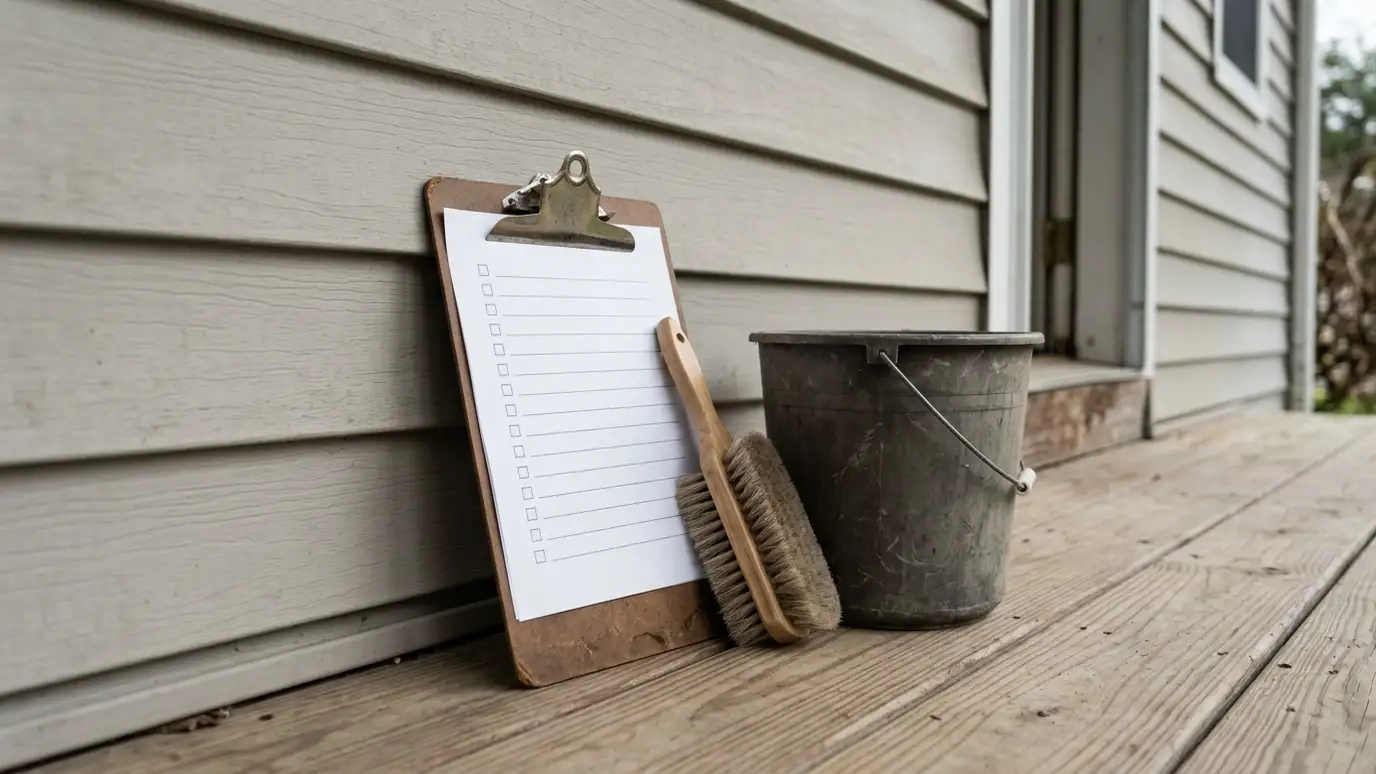
Pick a spring day and a fall day and walk the whole house with a notepad. Look at every wall from the ground, then up close at corners, windows and doors.
Write down anything that looks different from last time. Small changes tell you a lot.
Look for damage
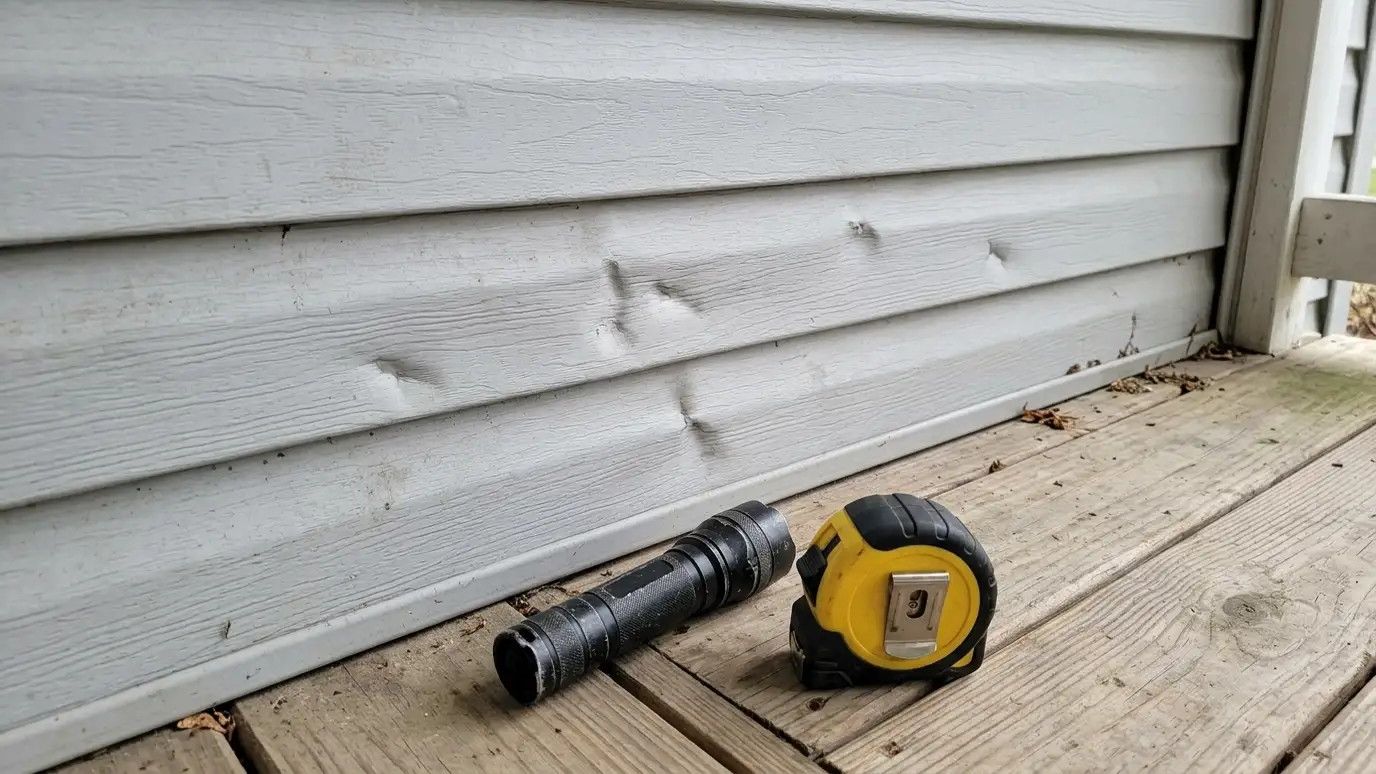
Check for cracks, loose panels, dents, holes, popped nails and missing pieces. Look at the bottom edge of the siding, where it meets the ground, for rot or insect activity.
Probe trim with a screwdriver for soft spots.
Check caulk and seals
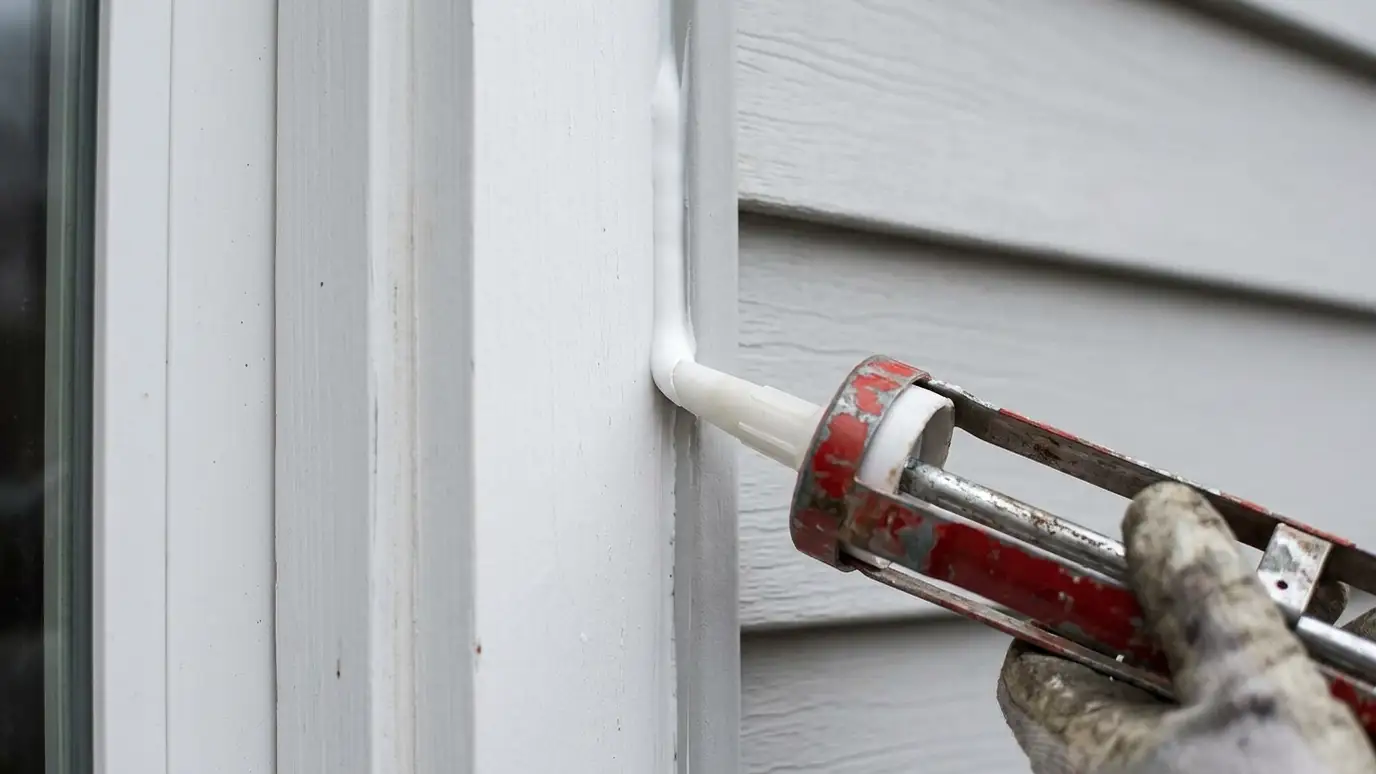
Look at joints around windows, doors, corner boards and utility penetrations. Cracked, shrunken or missing caulk lets water in.
Replace failing joints, but leave drainage gaps open.
Clean gently
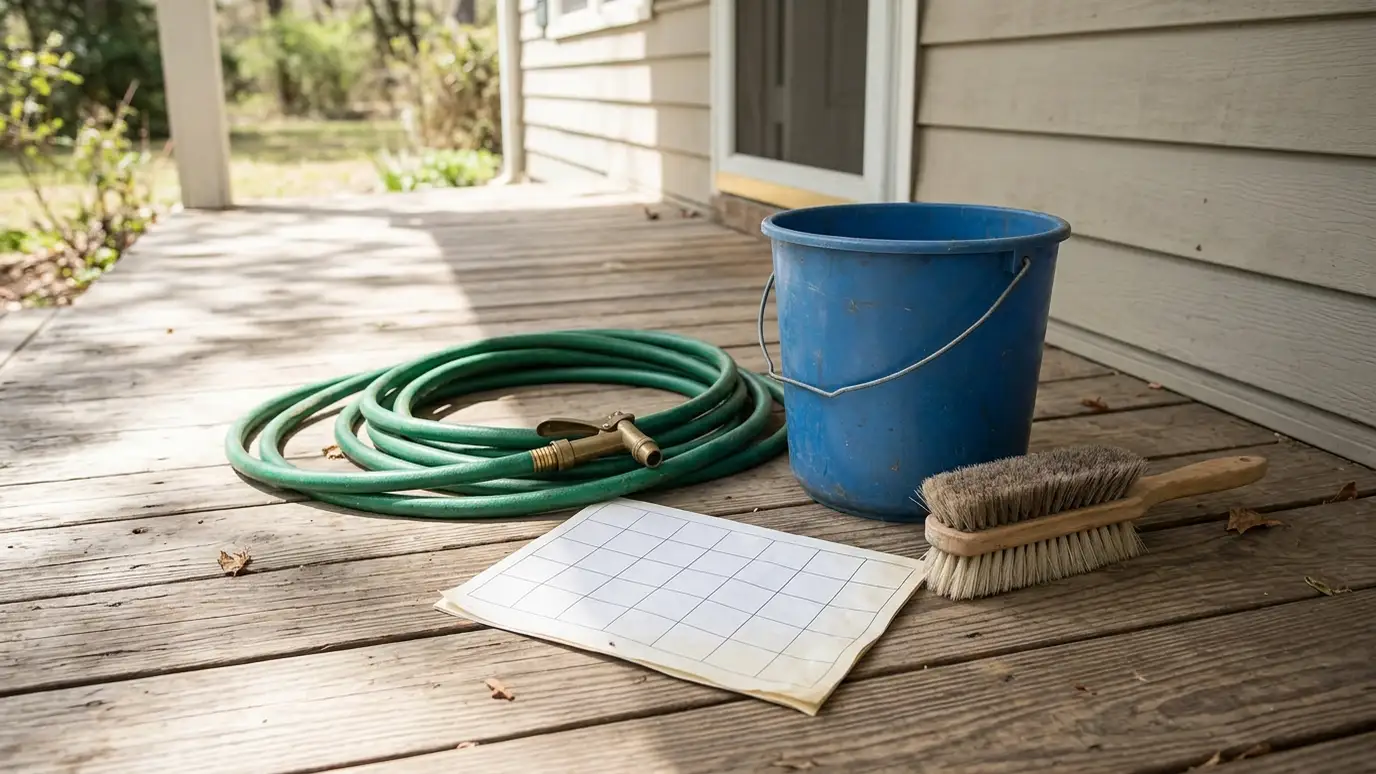
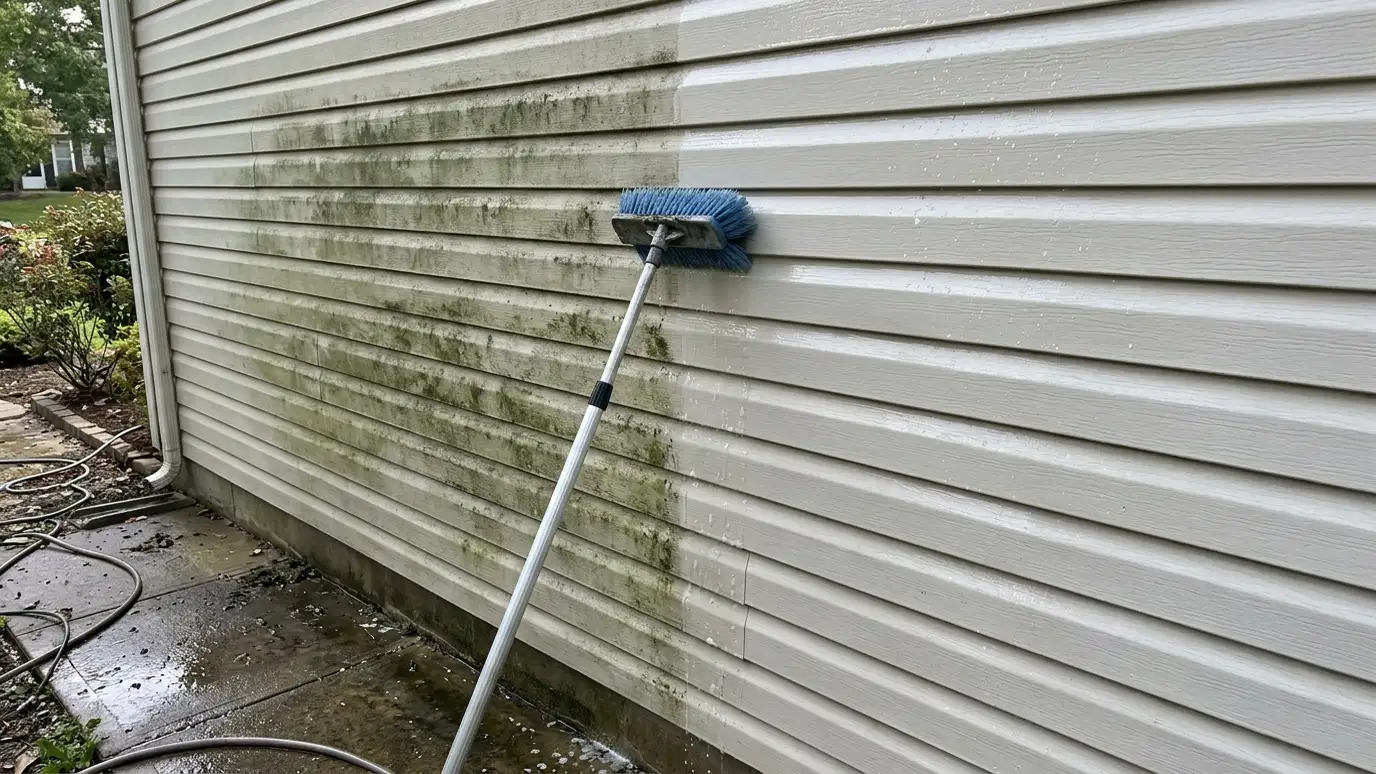
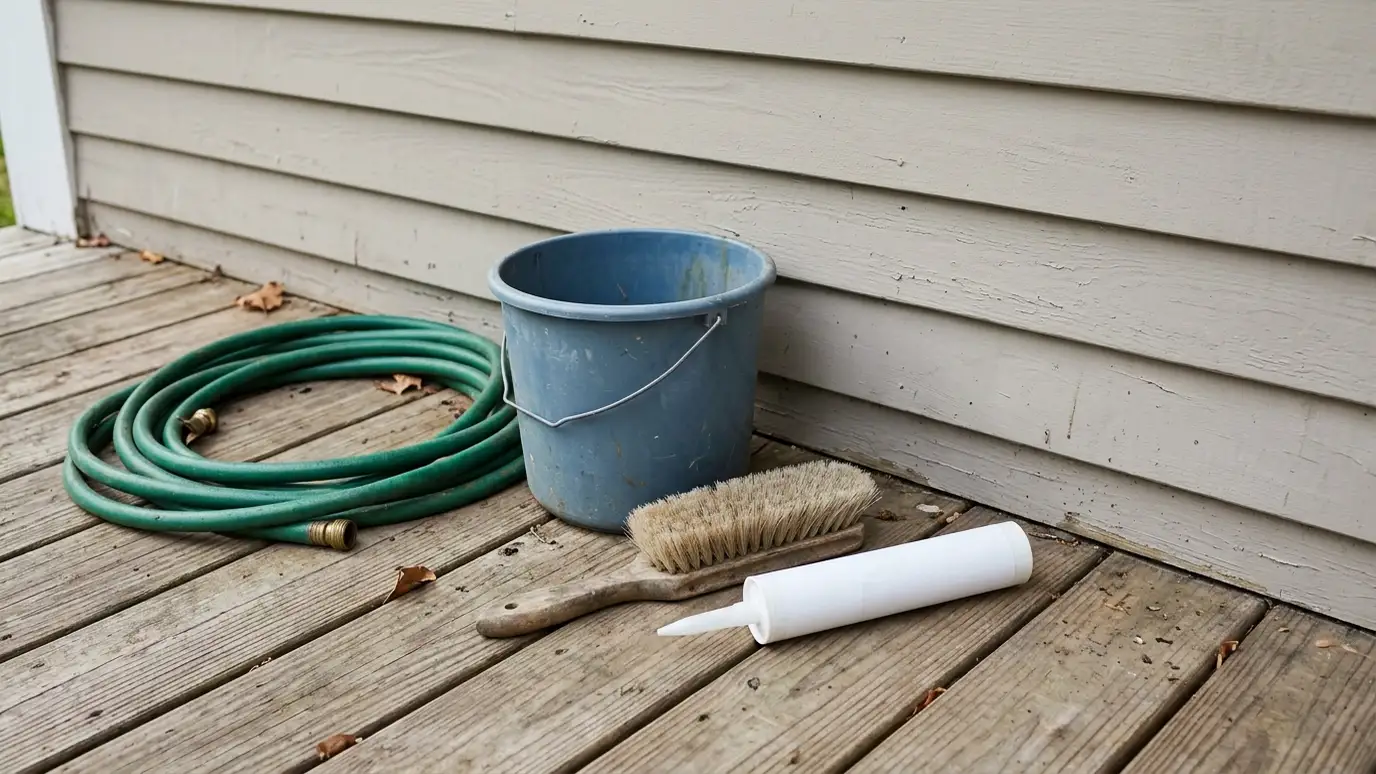
Rinse siding with a garden hose and a soft brush and mild soap once a year. Avoid high pressure, which can force water behind panels.
Treat algae and mildew early, before it stains.
Check gutters and landscaping
Clear gutters and make sure downspouts carry water away from the house. Trim shrubs and branches back from the walls so air can circulate and nothing scratches the siding.
Check that sprinklers do not spray the walls.
Know when to call a pro
Call for help if you see soft wood, widespread cracks, wavy panels, stains inside the house or damage after a storm. A short visit often saves a larger repair.
A maintenance plan can take care of the checkups for you.
Look twice a year, wash gently once a year and fix small problems while they are still small.