Where walls lose energy
Heat flows through studs, leaks through gaps around windows, outlets and sill plates and rides on air moving through the wall. Old, drafty houses may lose more energy through air leaks than through the walls themselves.
Knowing where the leaks are helps you spend on the right fix.
Air sealing and wrap
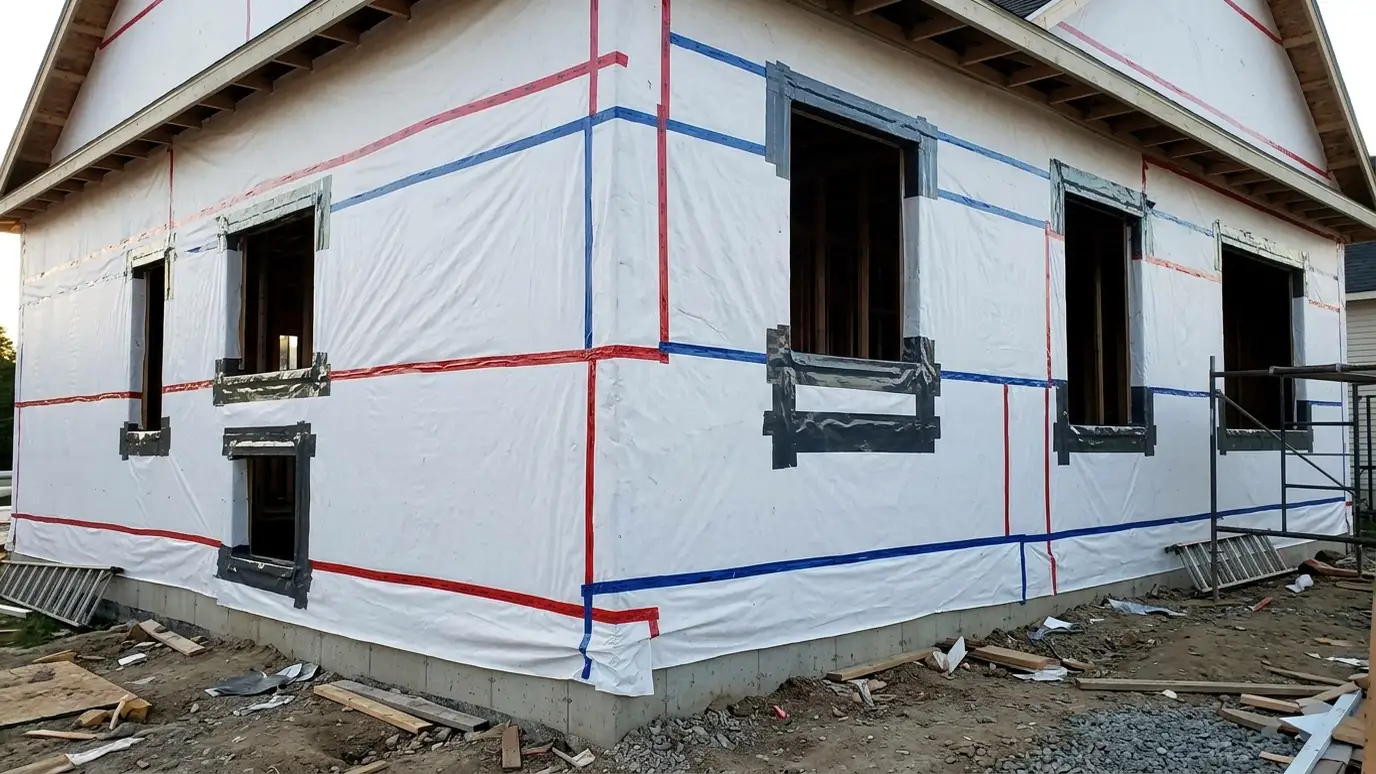
A taped, well-installed house wrap reduces wind washing and air leakage. Sealing gaps at windows, doors and penetrations improves comfort immediately.
These steps cost little compared with the benefit.
Continuous insulation
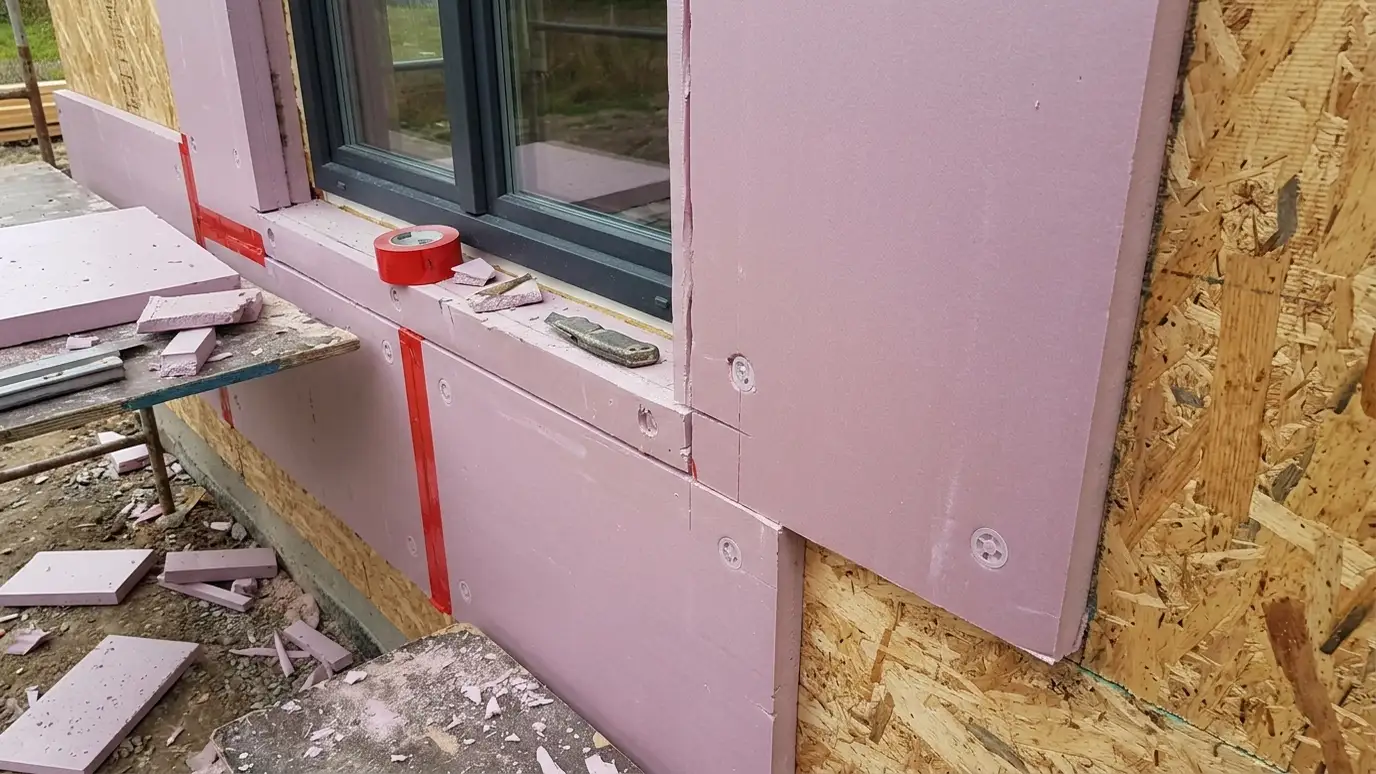
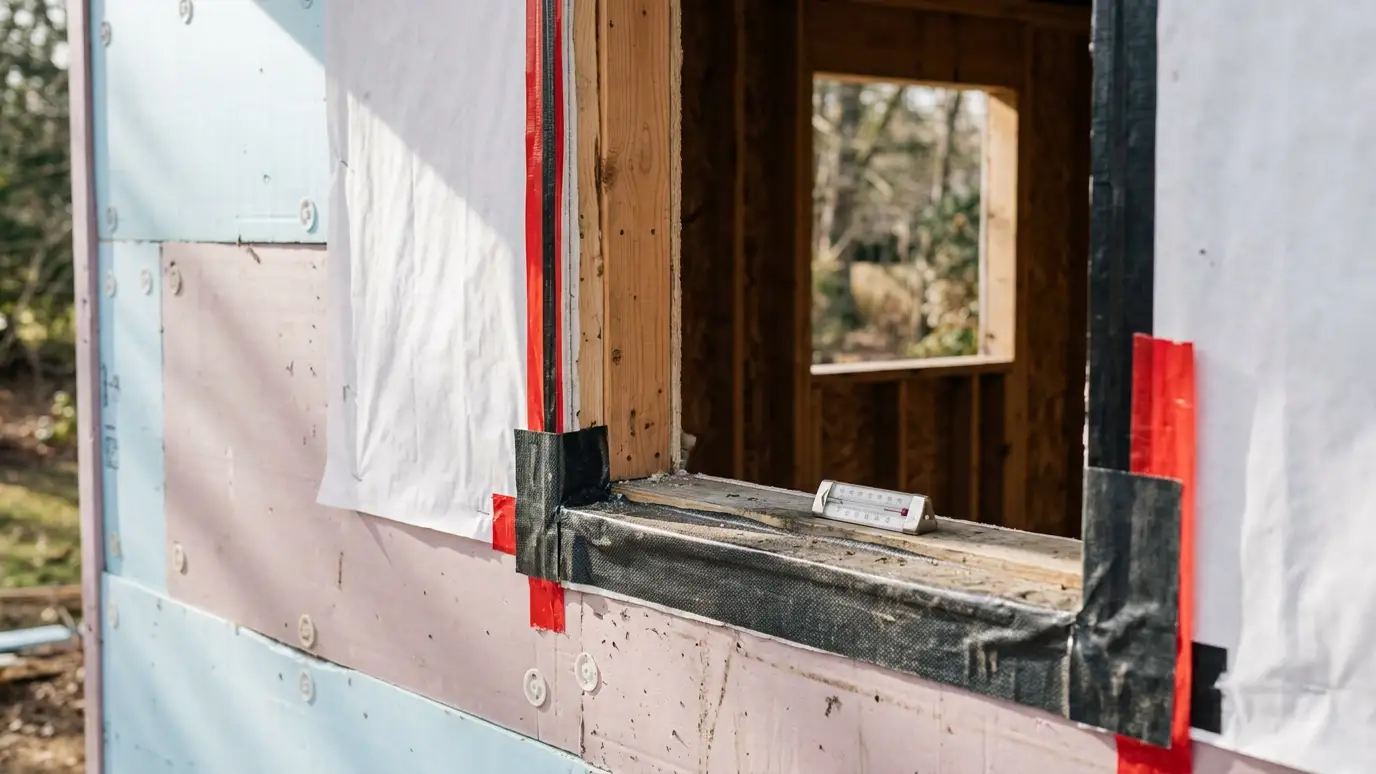
Rigid foam over the sheathing covers the studs, which are weak points in a normal wall. It raises the wall insulation value and warms the sheathing, which helps manage condensation.
It changes window depth and trim, so plan for jamb extensions.
Insulated vinyl
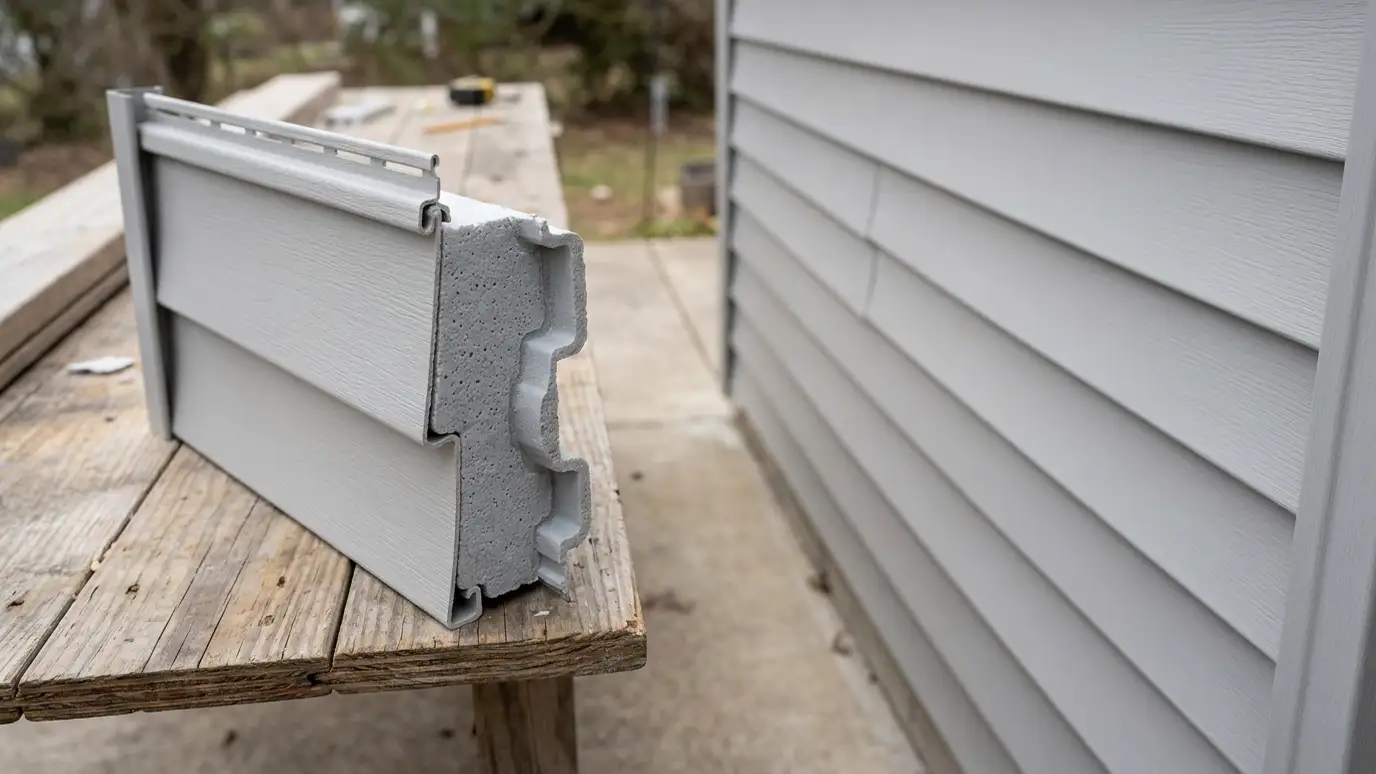
Foam-backed vinyl adds a modest layer and stiffens panels. It helps, but it does not substitute for a tight wall and proper insulation.
Think of it as a bonus on top of good basics.
Other upgrades
Attic insulation, duct sealing, windows and doors often give larger gains than siding alone. An energy audit can show where your house loses the most.
Siding is a smart time to combine upgrades because the wall is open.
Realistic expectations
Savings depend on the house, the weather, your equipment and your habits. We do not promise numbers, but we do know what makes walls work better.
Comfort, quiet and a drier wall are benefits many owners notice first.
Seal first, insulate second and treat siding as part of a whole-house plan.