Cracks, holes and loose panels
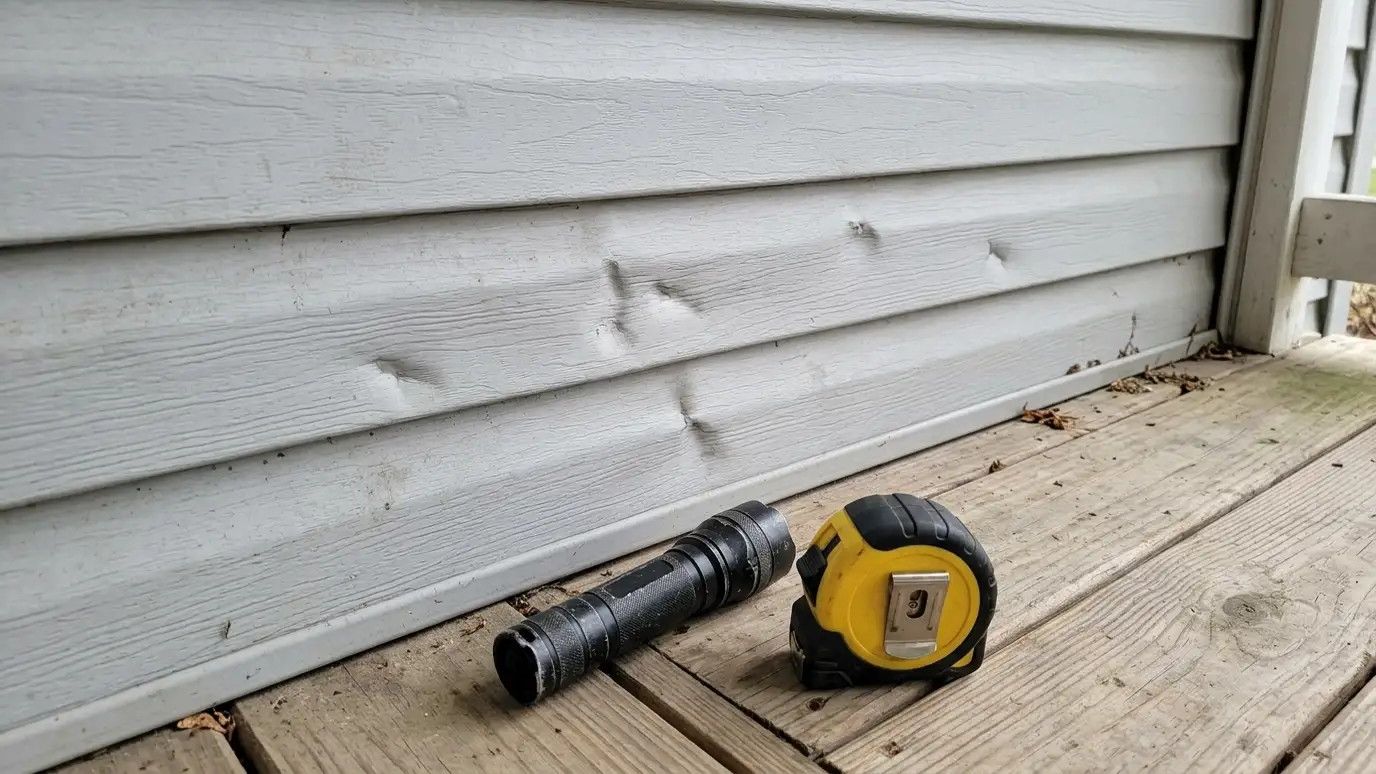
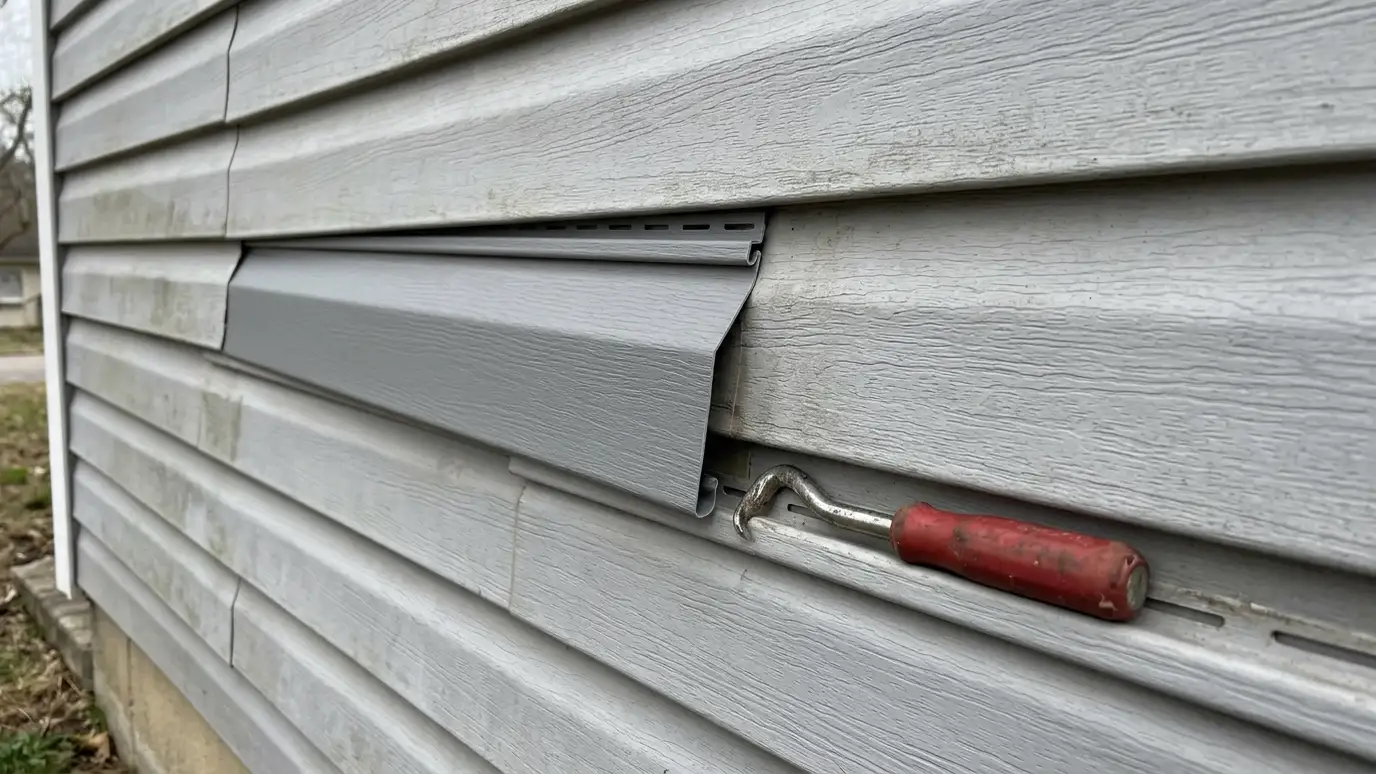
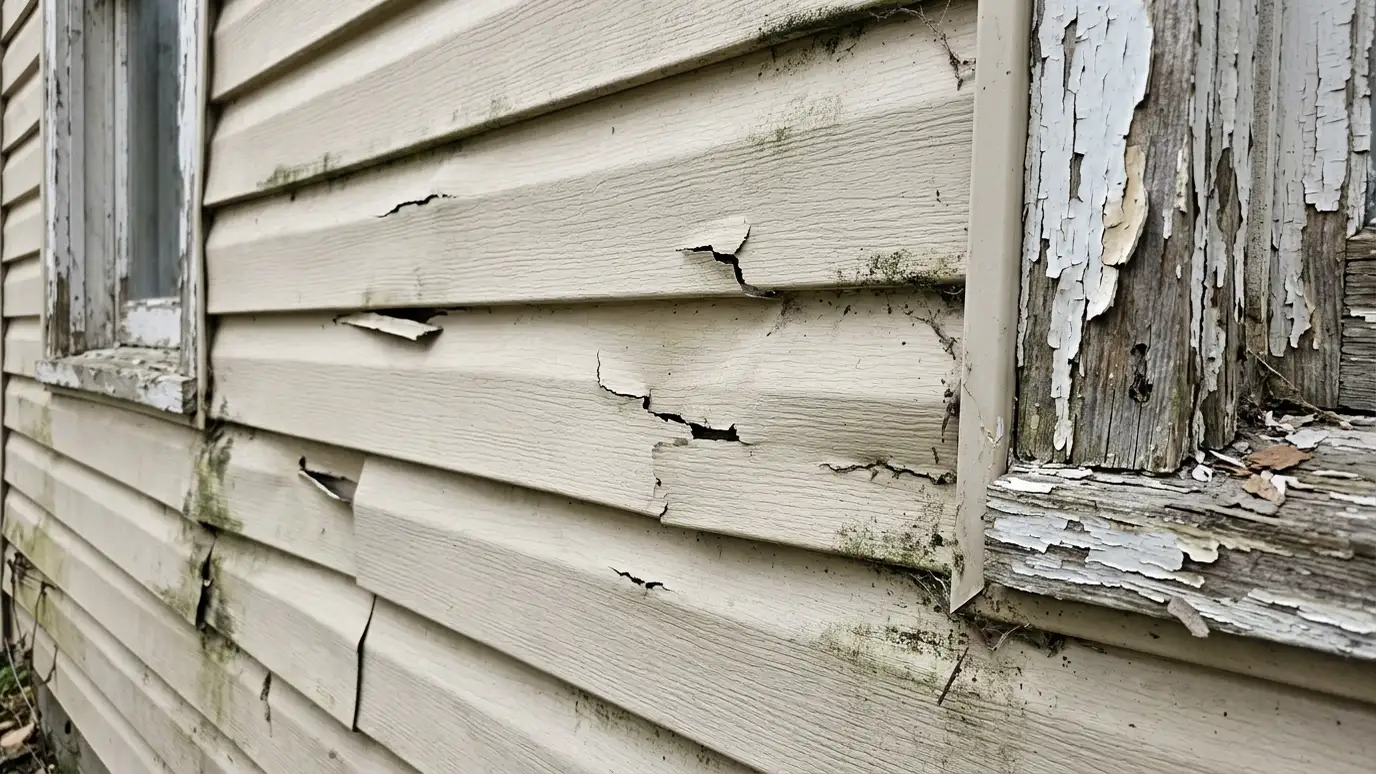
Cracked or missing pieces let water and pests into the wall. A single crack from an impact can be repaired, but cracks across several walls suggest that the material has aged or has been damaged by hail.
Loose panels that flap in the wind or sag away from the wall often mean fasteners have failed. Check after storms.
Warping, waves and buckling
Waves and ripples in vinyl usually come from tight nailing or heat. Warped wood and fiber cement point to moisture. Either way, a wavy wall is a clue that something is wrong.
If the cause is limited, a repair may fix it. Widespread waves often signal that the system needs to be replaced.
Rot and soft spots
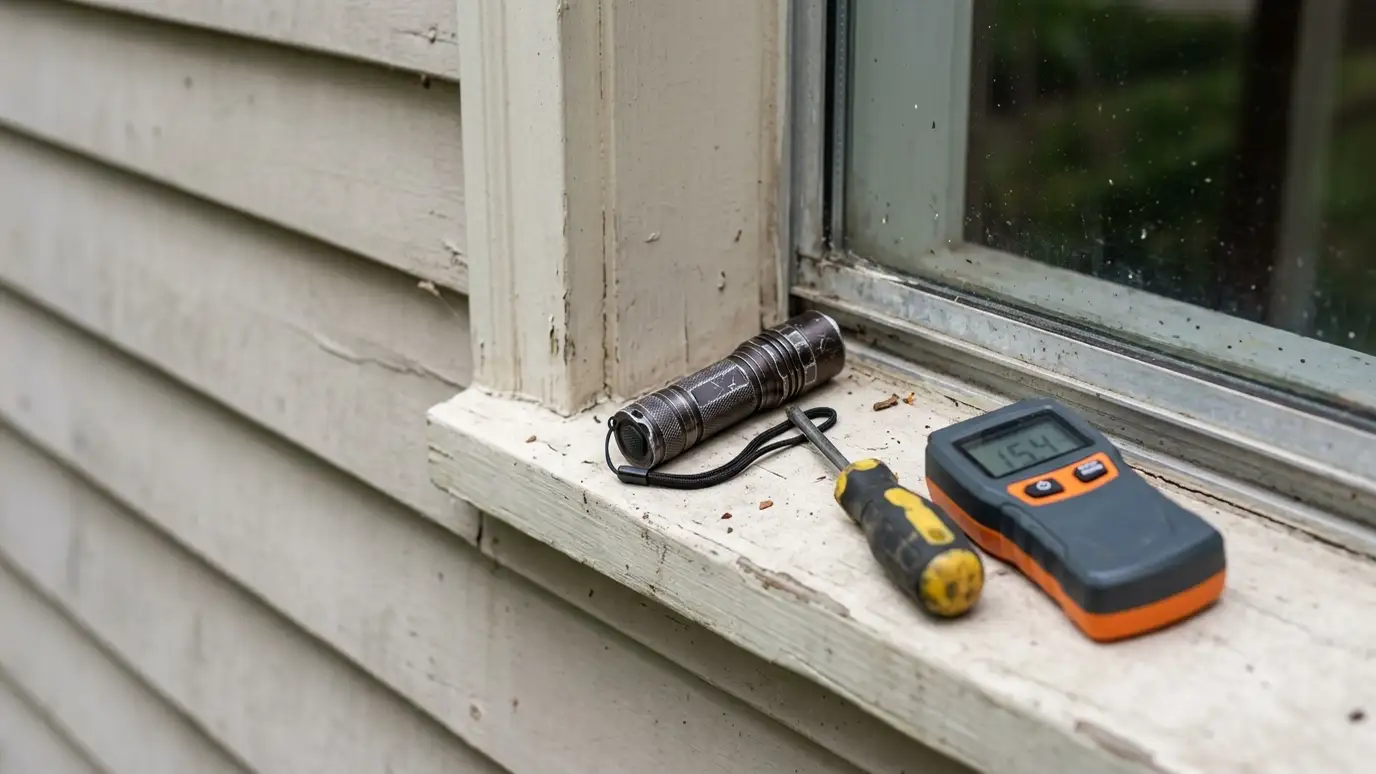
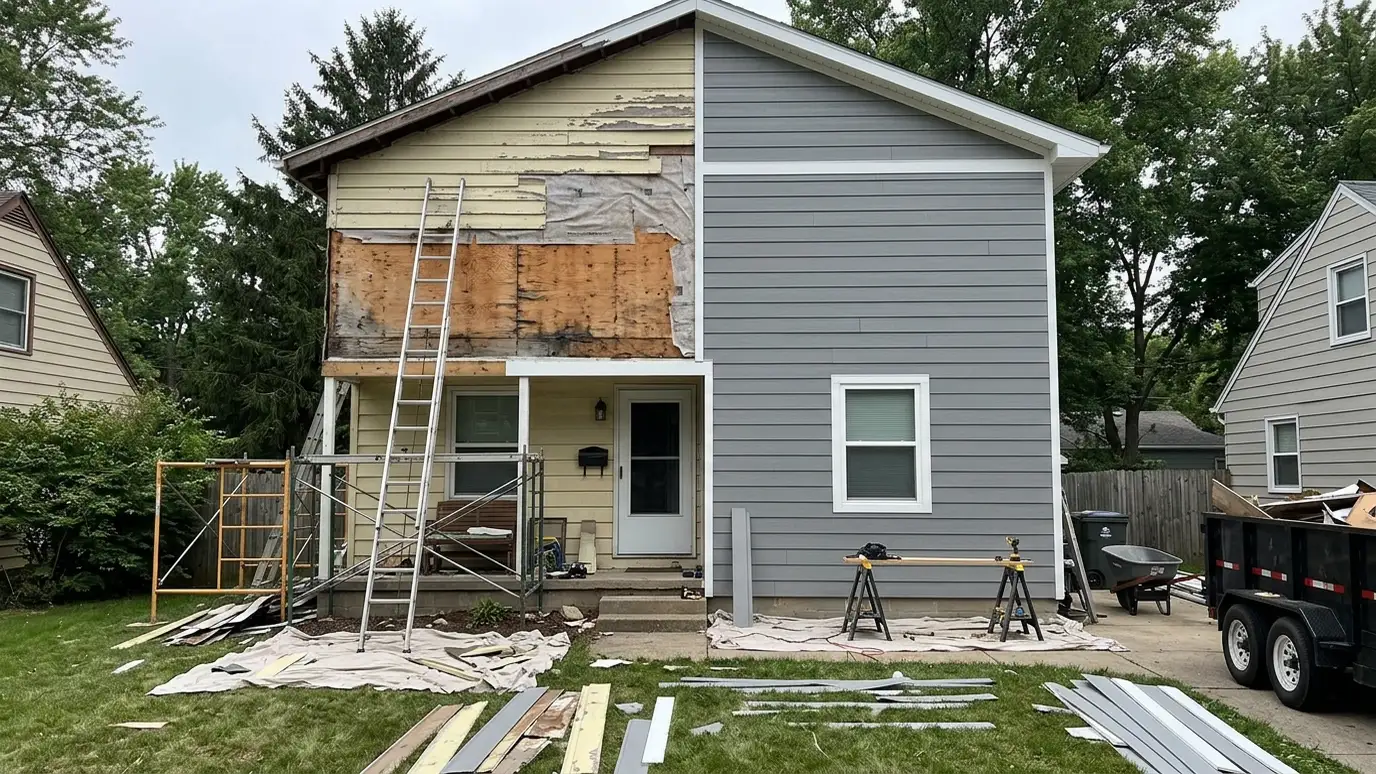
Probe trim and lower boards with a screwdriver. Soft wood means water has been getting in for some time. Rot spreads, and the longer it goes, the more of the wall will need repair.
Peeling paint, swollen boards and stains near windows and corners are early warnings.
Mildew, mold and stains
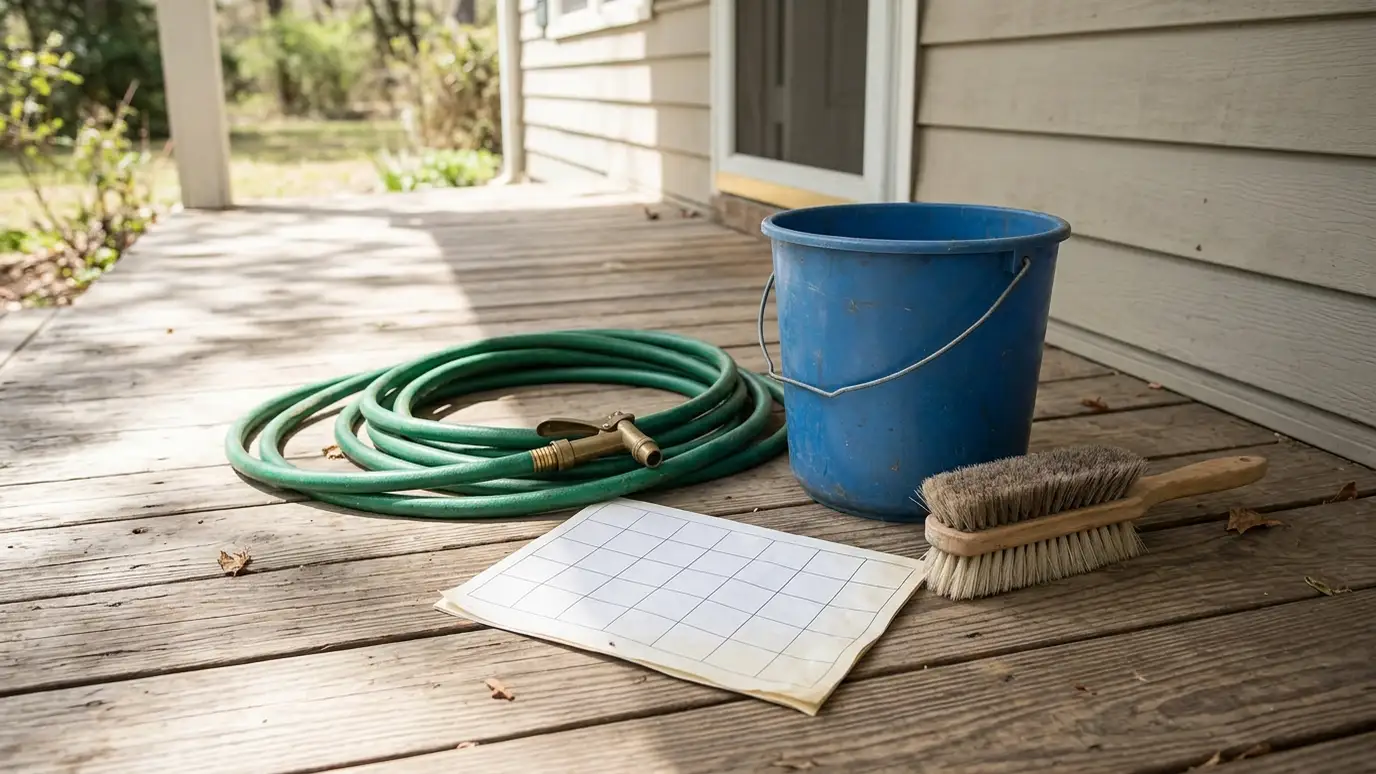
Surface algae can be washed away. If growth keeps returning quickly, or if stains appear inside the house, moisture may be trapped. A check behind the siding is wise.
Dark streaks under windows or at corners can mean failed flashing or caulk.
Fading and chalking
Faded color is cosmetic, but heavy chalking and brittle panels suggest the material is near the end of its life. Rub a damp cloth across the siding. If color comes off in a powder, the finish is breaking down.
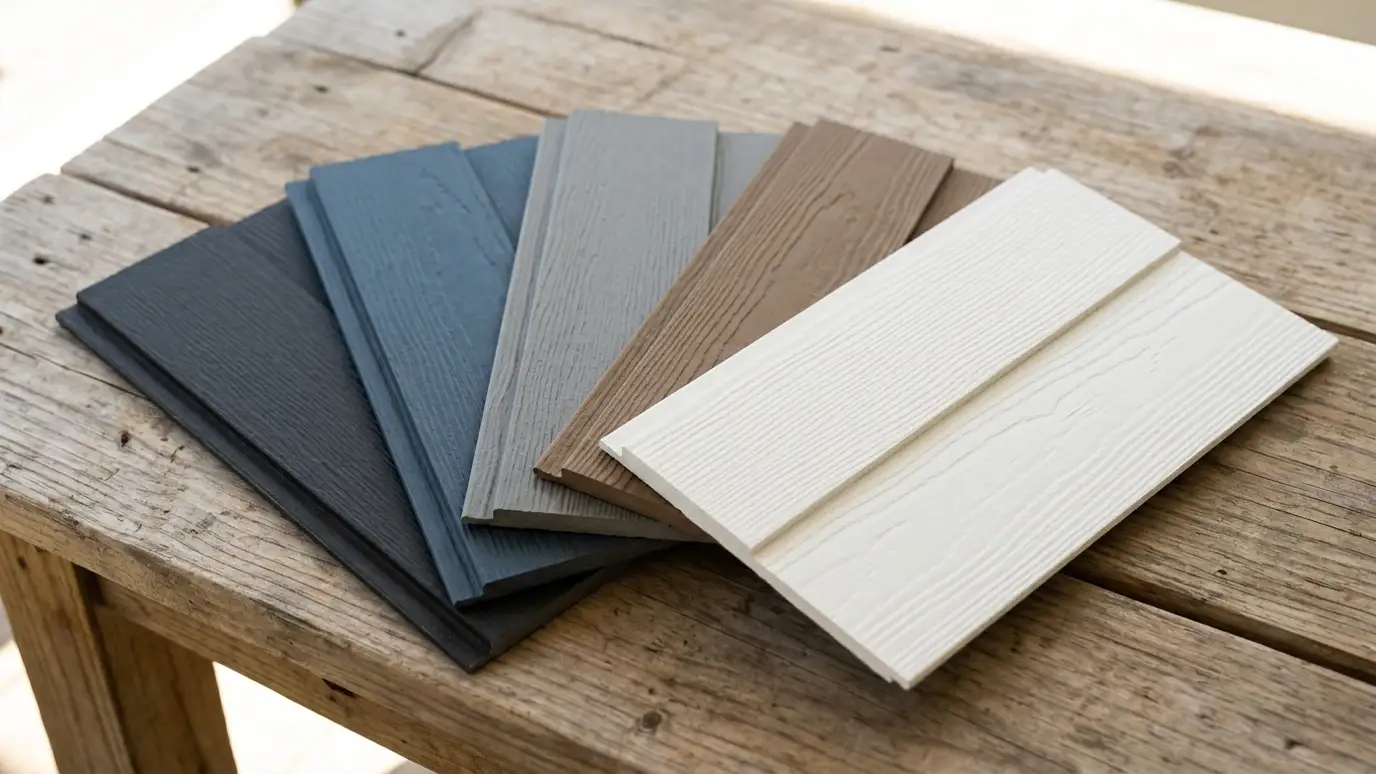
Fading can be improved with cleaning and coating in some materials, but not all.
Energy bills and drafts
Rising bills, cold spots near outside walls and noise from outside may be signs that the wall system is no longer doing its job. Air leaks and failed flashing can be hidden behind the siding.
A new wall with proper wrap and insulation can bring back comfort, though savings vary by house.
One problem can often be repaired, but several signs at once usually mean it is time to plan a replacement.