Why siding gets dirty
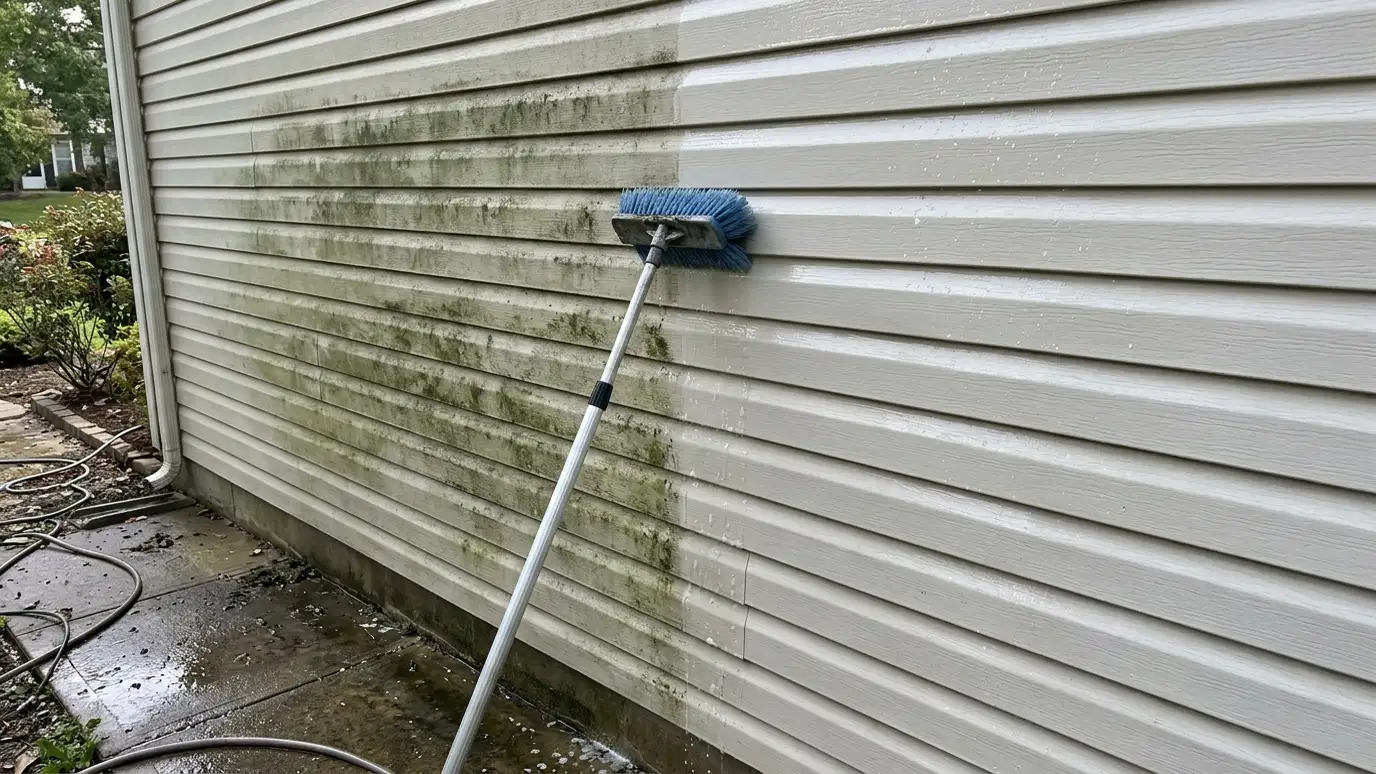
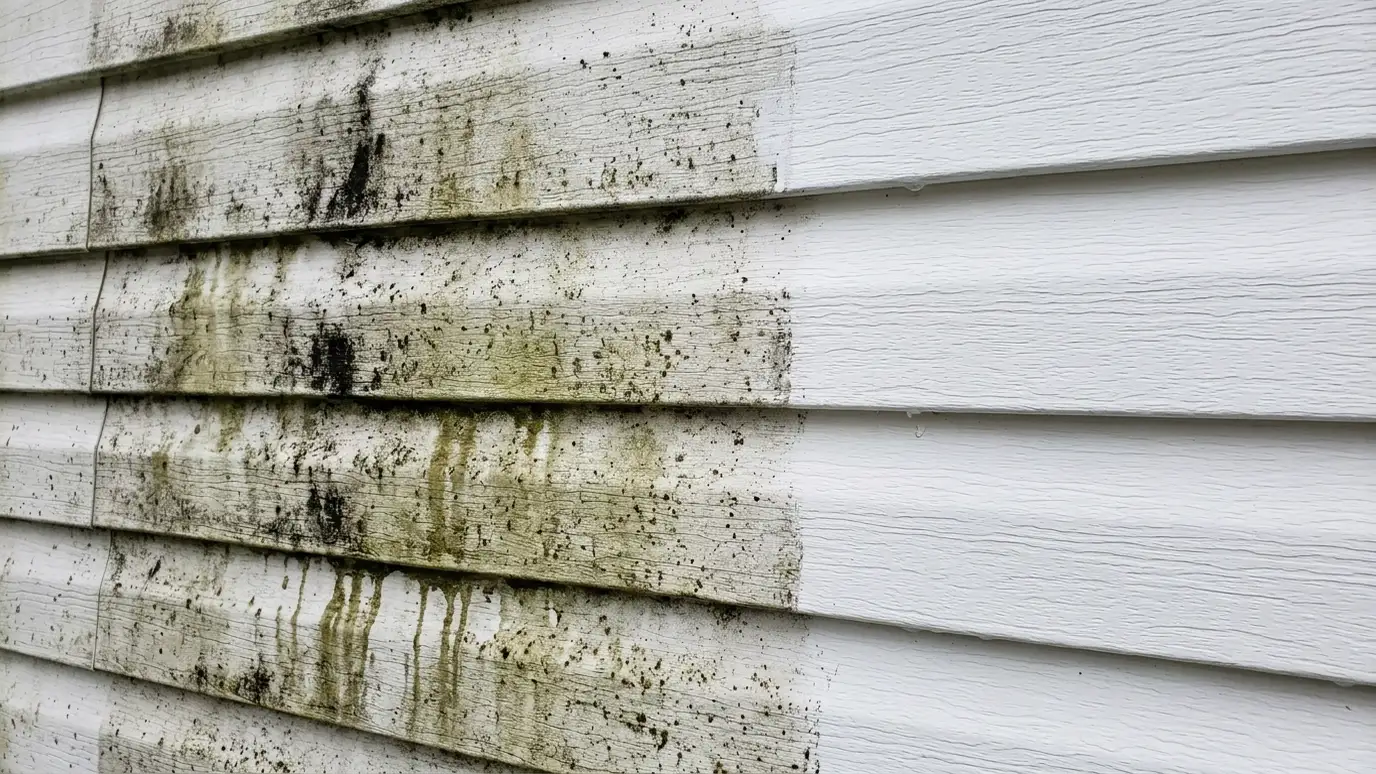
Humidity, shade and trees feed algae and mildew. Pollen, dust and road grime stick to surfaces, and rain spreads them into streaks. North walls and spots under trees see the most growth.
Cleaning is not only cosmetic. Removing growth lets surfaces dry faster.
Start with a soft approach
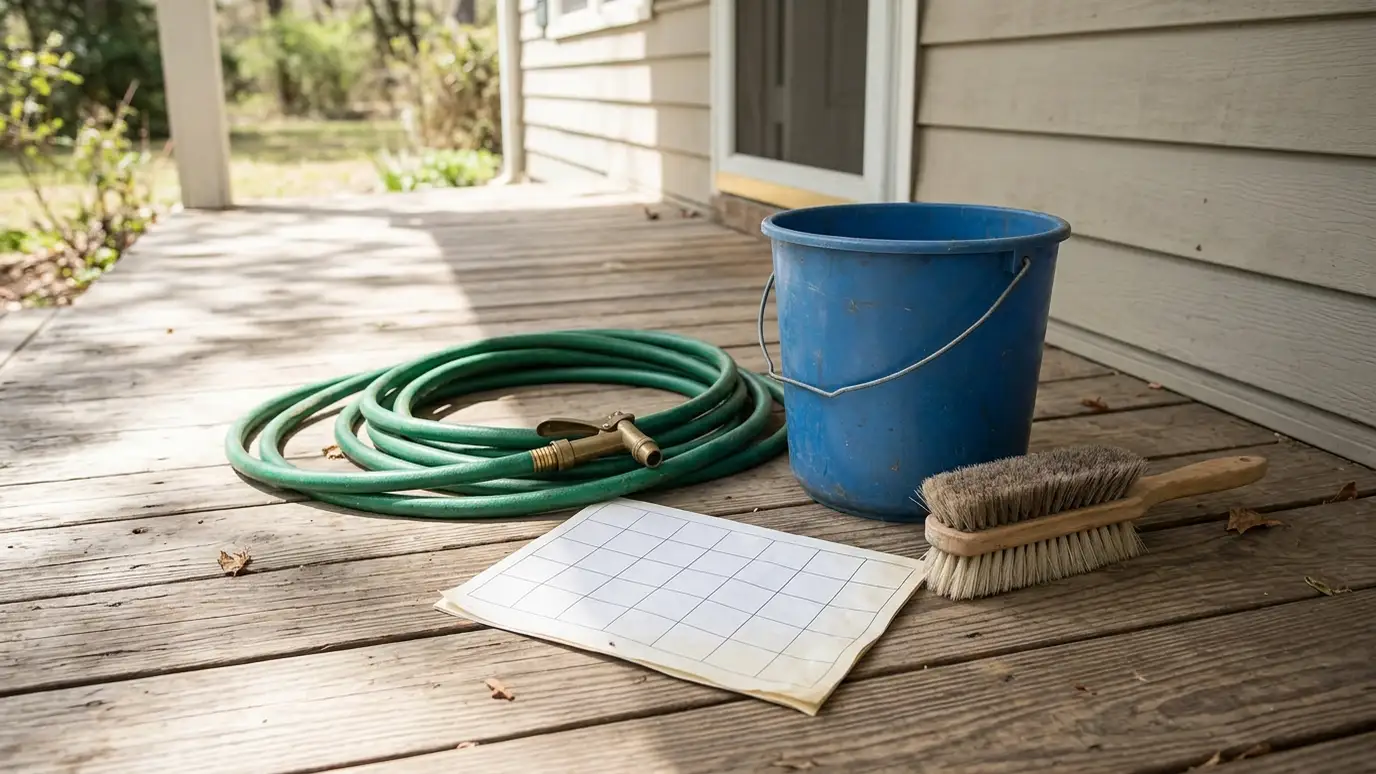
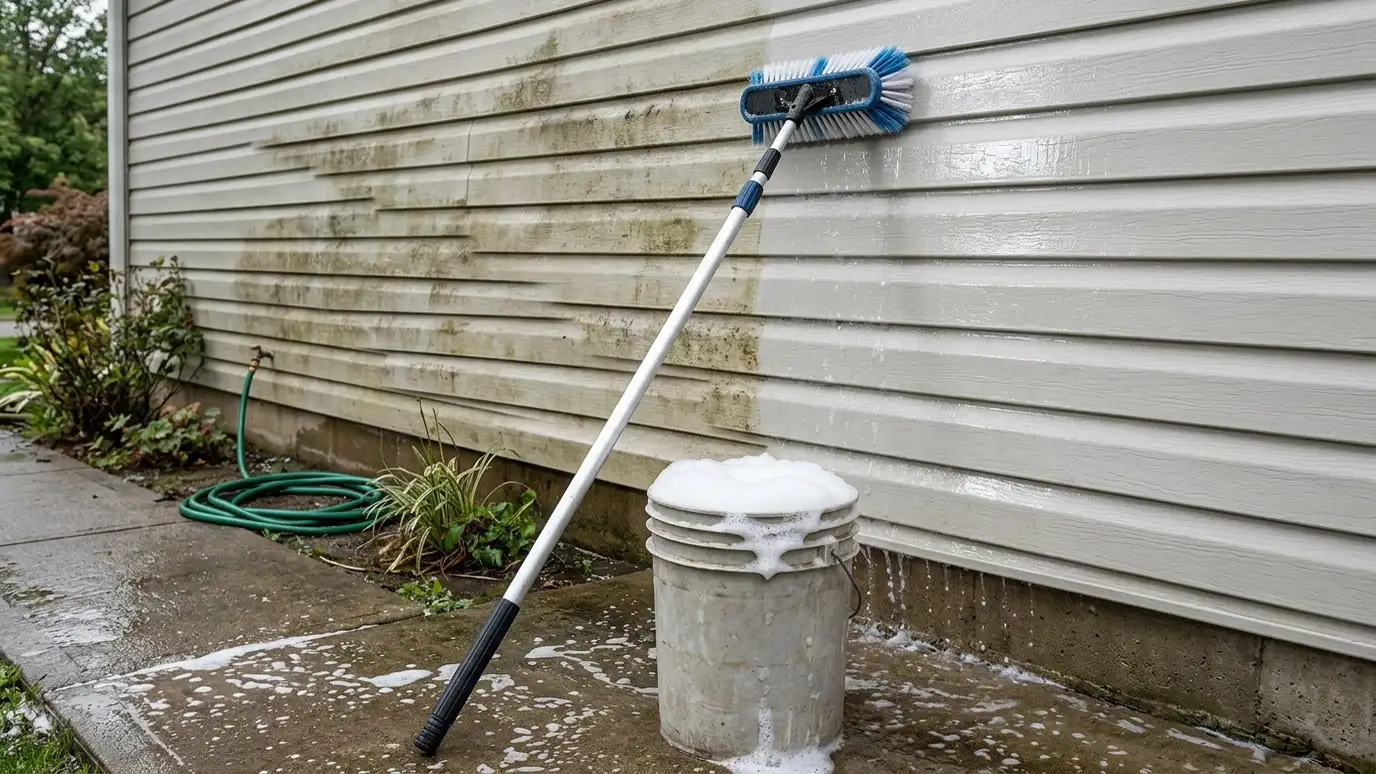
A garden hose, a soft brush on a pole and a mild detergent handle light dirt on most siding. For algae, a cleaning solution made for siding does most of the work while it sits.
Work from the bottom up when applying and from the top down when rinsing.
Pressure washing limits
A pressure washer can strip paint, gouge wood and force water behind laps and into the wall. If you use one, choose a low-pressure setting, a wide tip and stay back from the wall.
Never point the spray upward under laps or toward windows, vents and doors.
Material differences
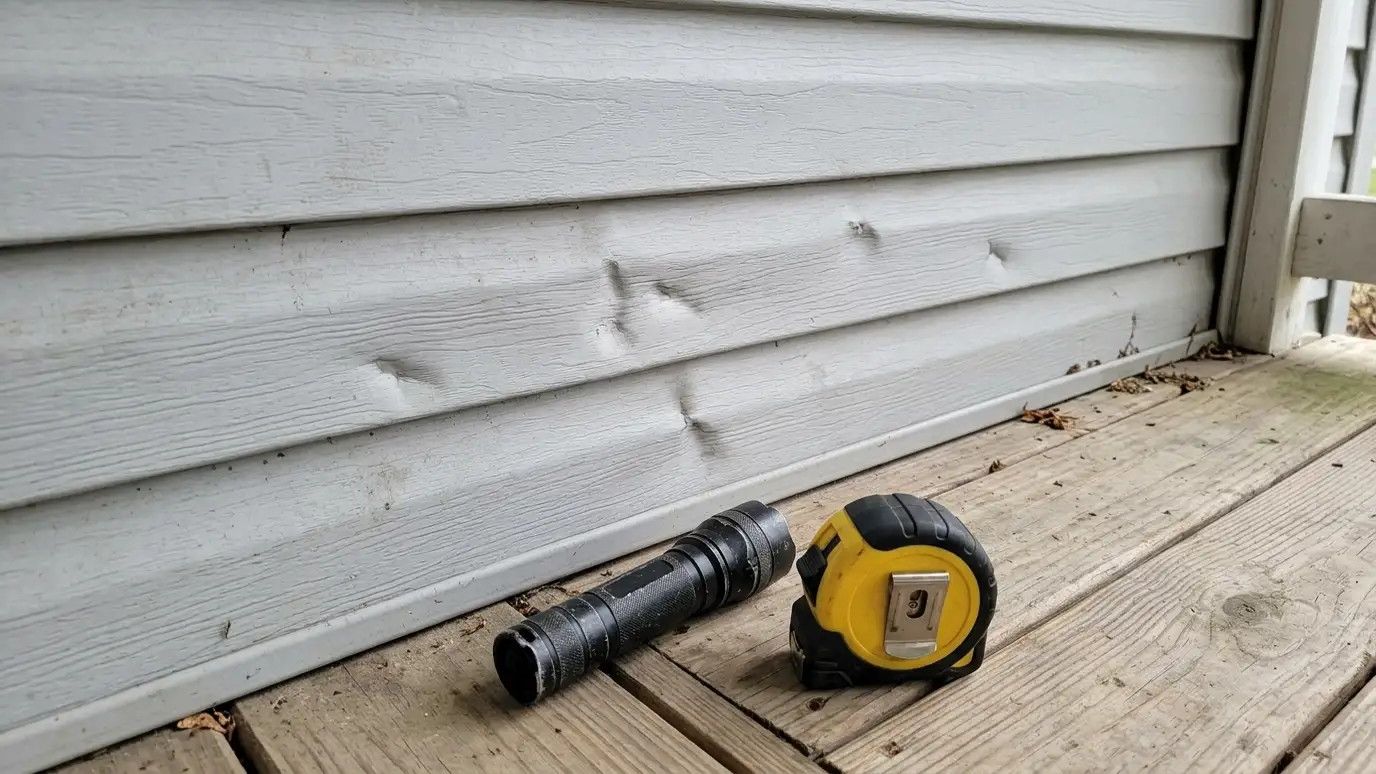
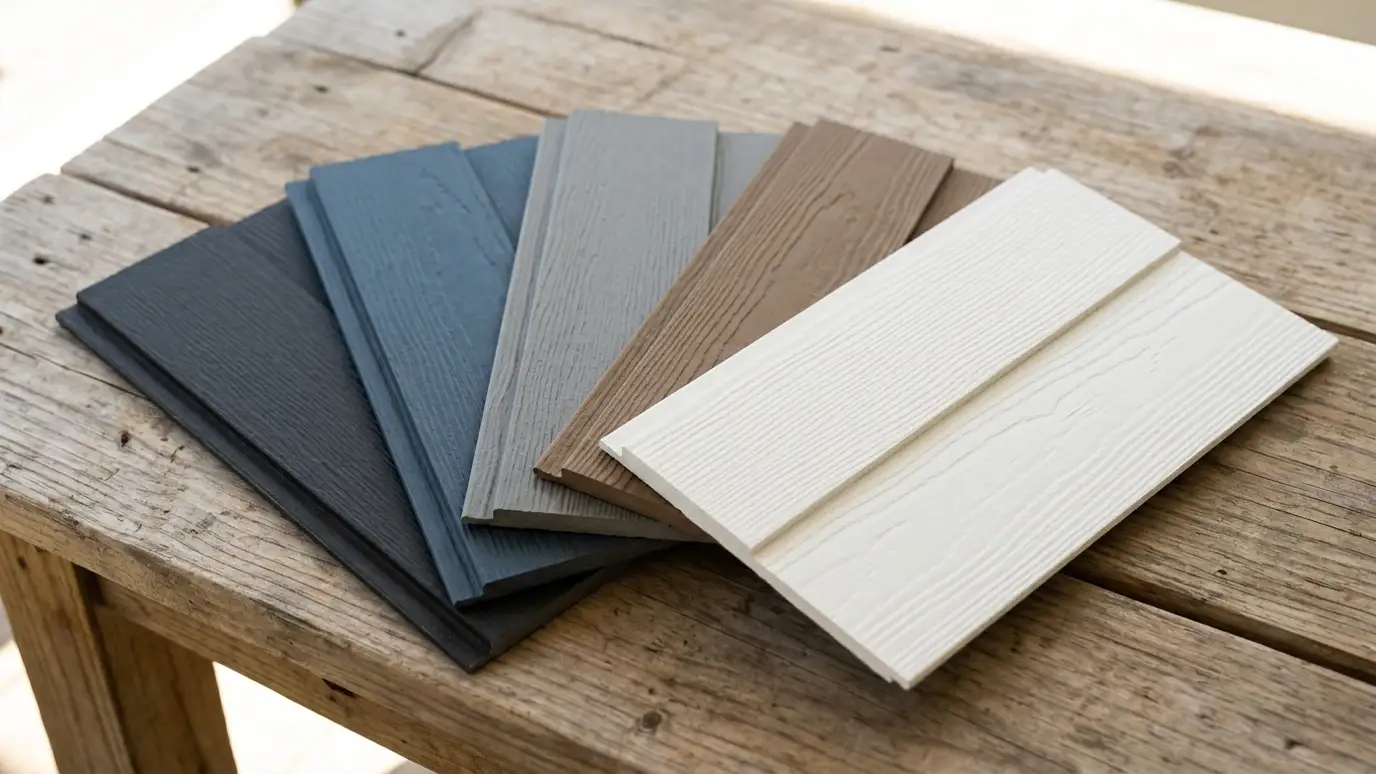
Vinyl tolerates a gentle wash but can crack if sprayed hard. Fiber cement can handle somewhat more pressure but should not be blasted. Wood is easily damaged and often needs a gentle approach. Brick and stone tolerate more pressure.
Aluminum and steel dent and scratch. Use soft tools.
Protect the house and plants
Cover outlets and light fixtures, close windows and wet nearby plants before you apply cleaner. Rinse thoroughly afterward.
Check that cleaner is safe for your lawn and shrubs.
When to hire a pro
A two-story house, steep ground or heavy staining is a job for a professional with proper equipment and training. Falls from ladders are a real hazard.
A pro also knows how to deal with rust, oil and old stains.
Use a soft wash first, keep pressure low and never spray upward behind the laps.