Stay safe first
After a storm, look for downed lines, loose limbs and damaged roofs before walking around the house. If there is any danger, wait and call for help.
Siding damage can be repaired later. Safety cannot.
What hail damage looks like
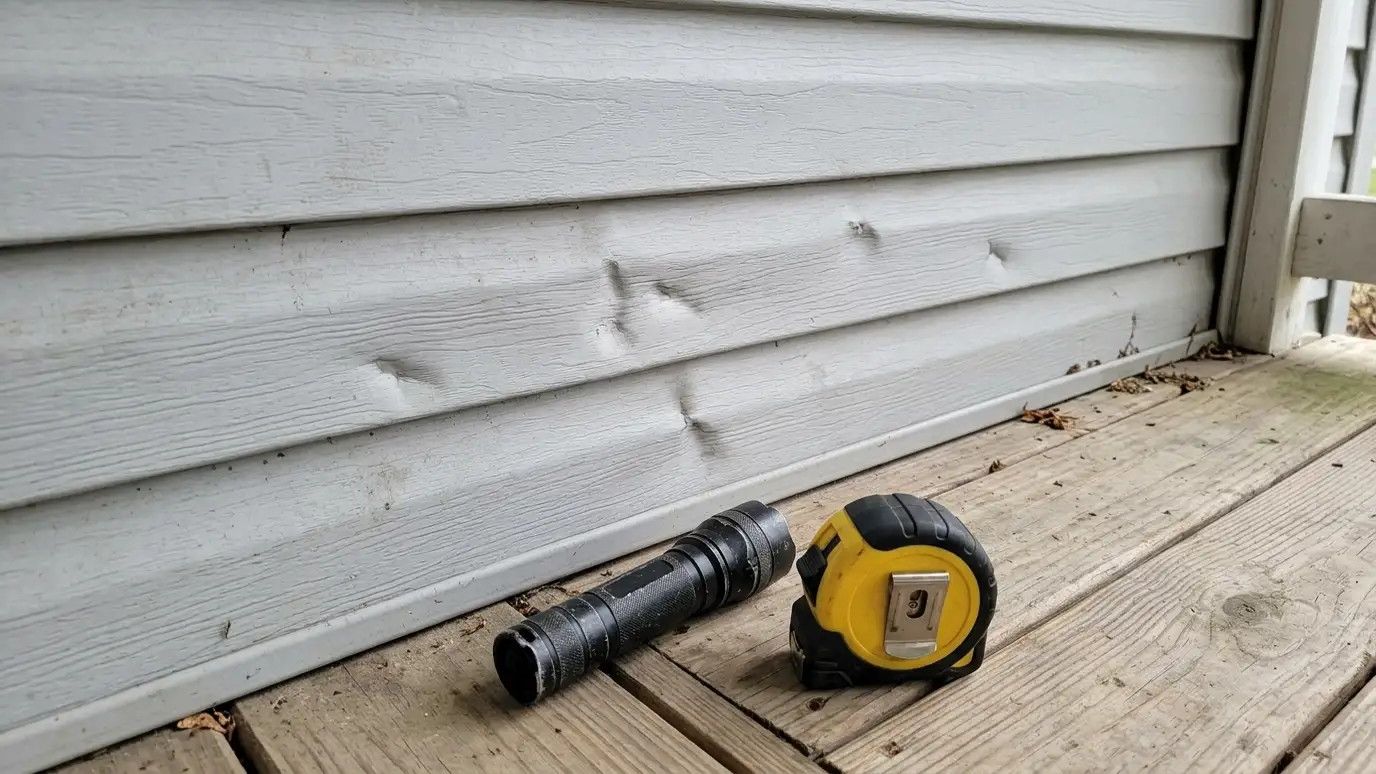
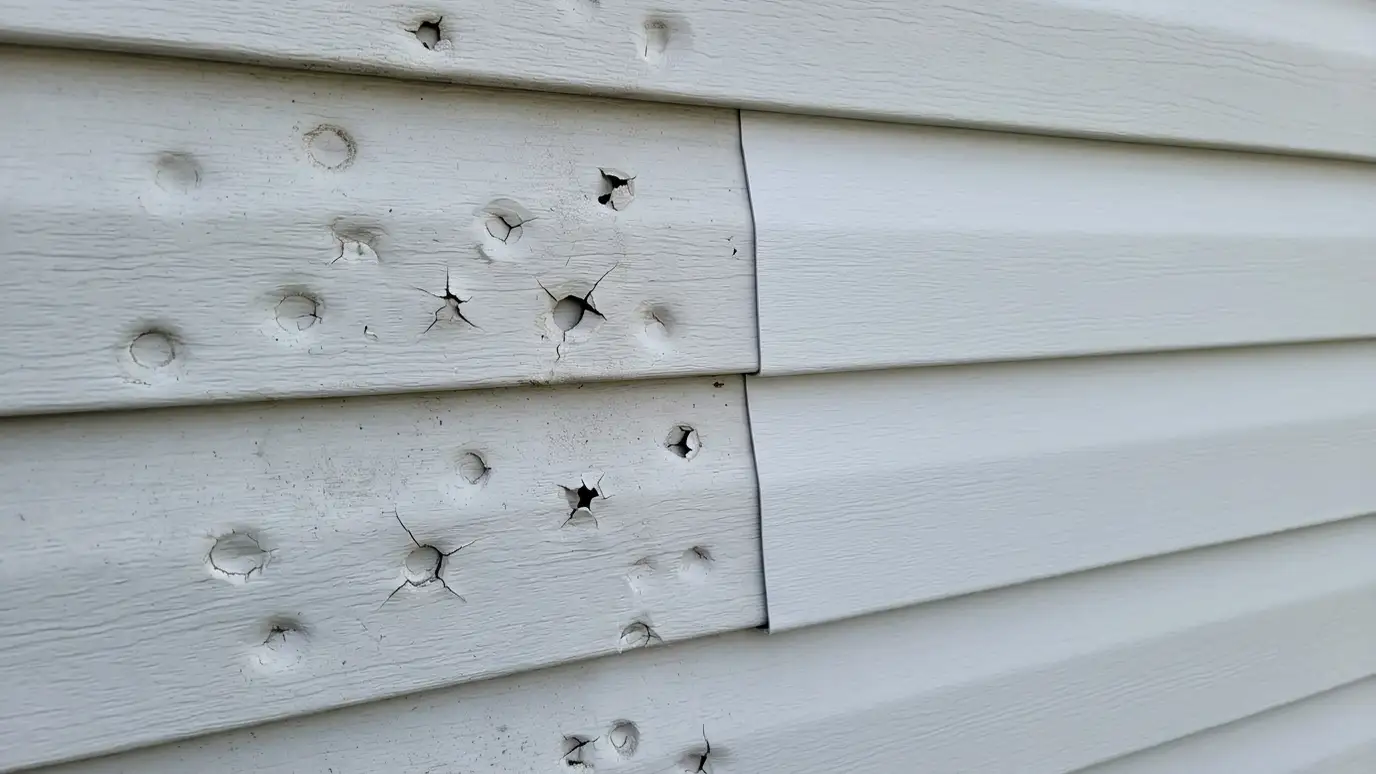
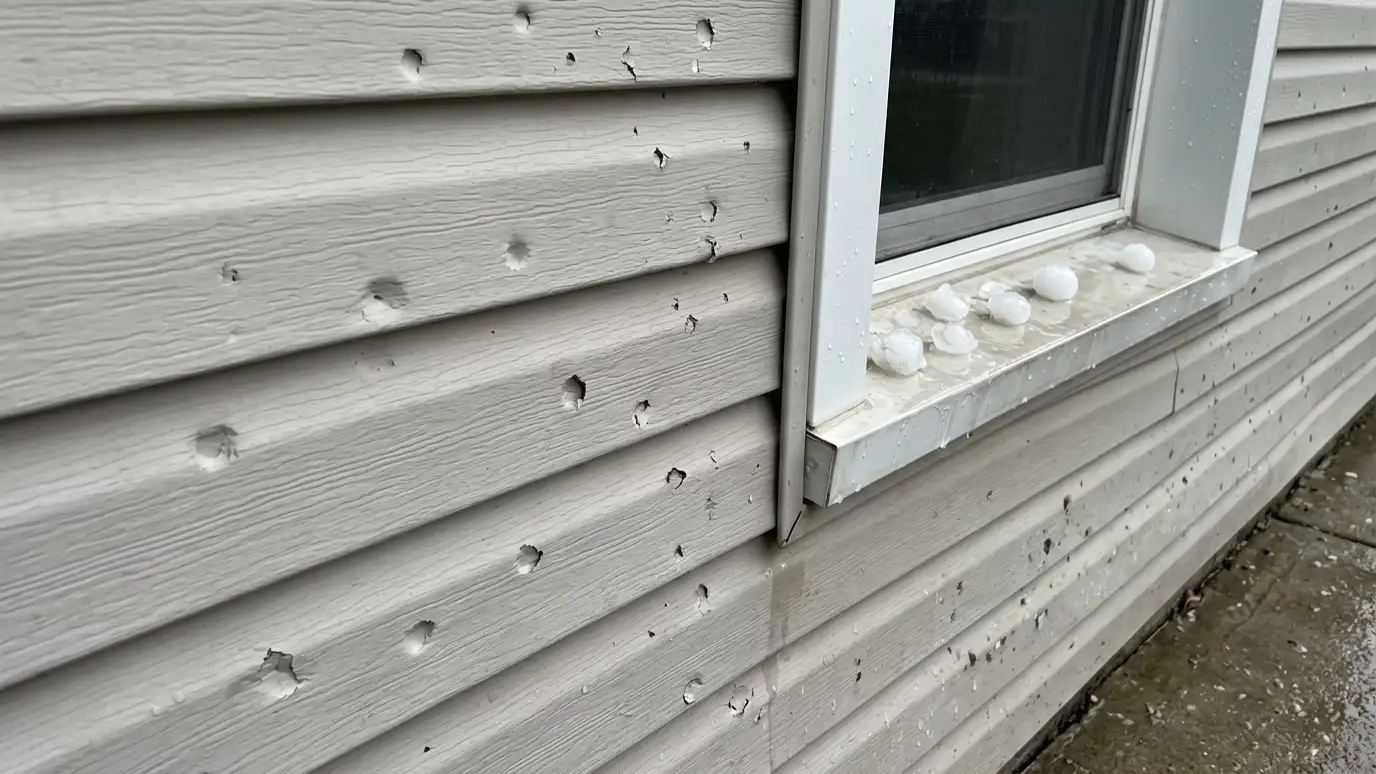
Look for dents in metal, round cracks and chips in vinyl and fiber cement, spatter marks that show where hail hit and damaged trim, gutters and window screens. Damage is often easiest to see in morning or evening light.
Check all sides of the house. Hail usually hits hardest on one or two sides, but wind can shift it.
What wind damage looks like
Wind lifts and peels panels, rips off trim and drives branches into walls. Look for panels that are bent, hanging or missing and for soffit or fascia that has pulled away.
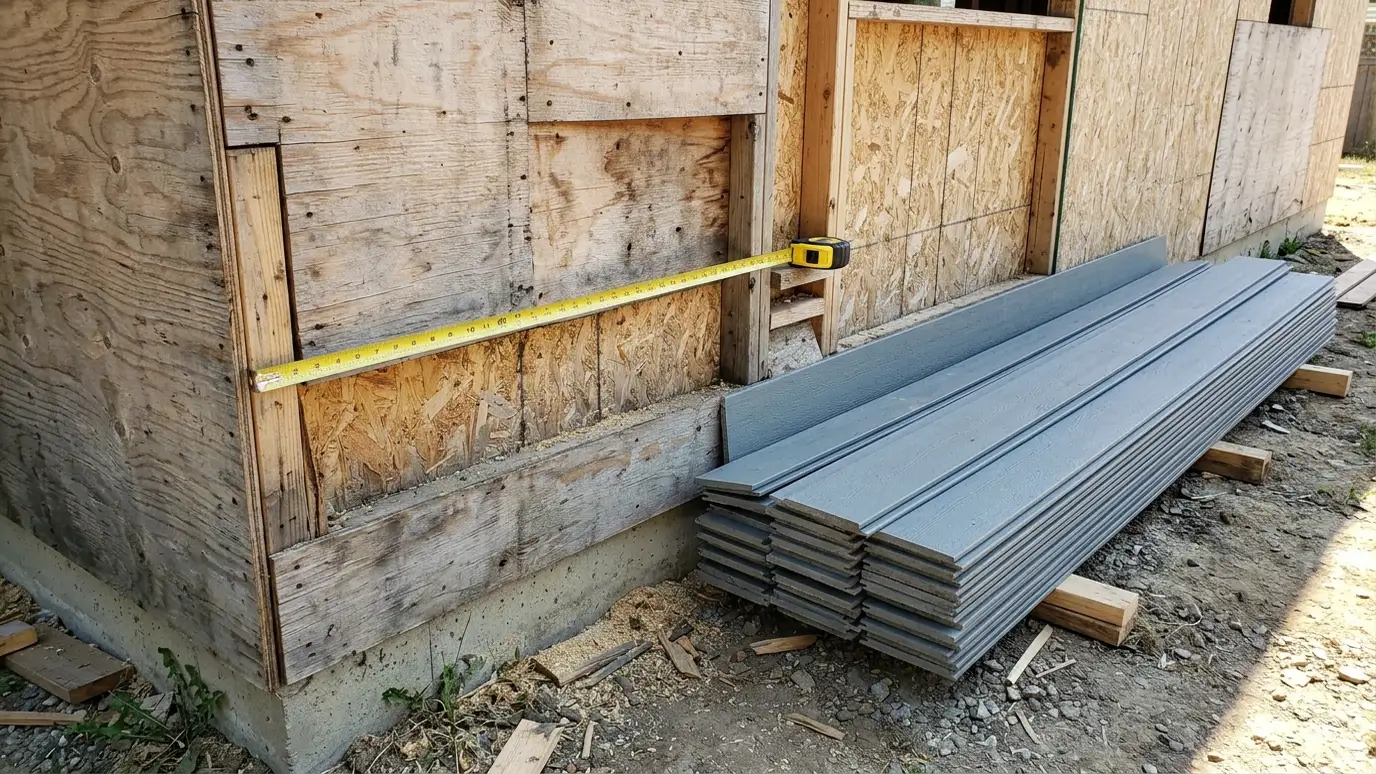
Also check for debris stuck in walls and for torn house wrap or exposed sheathing.
Document everything
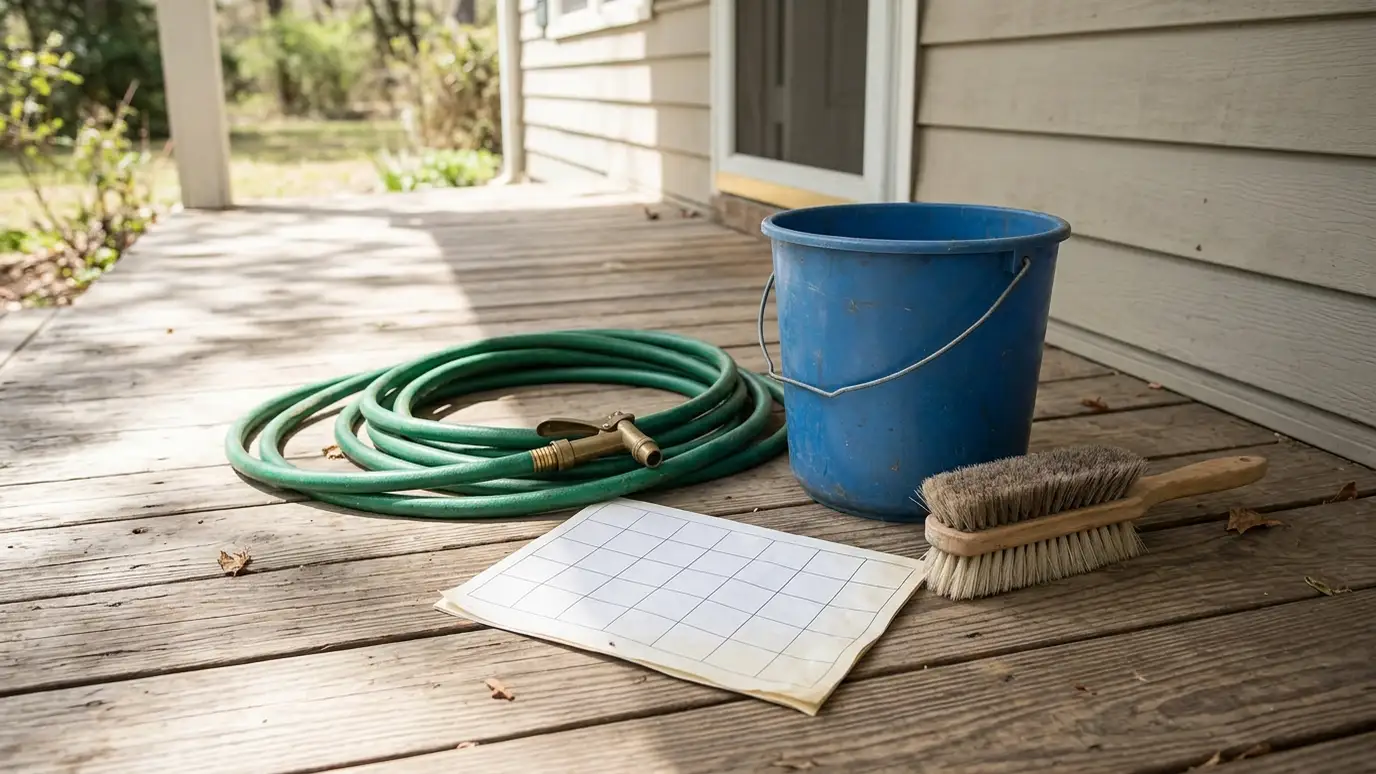
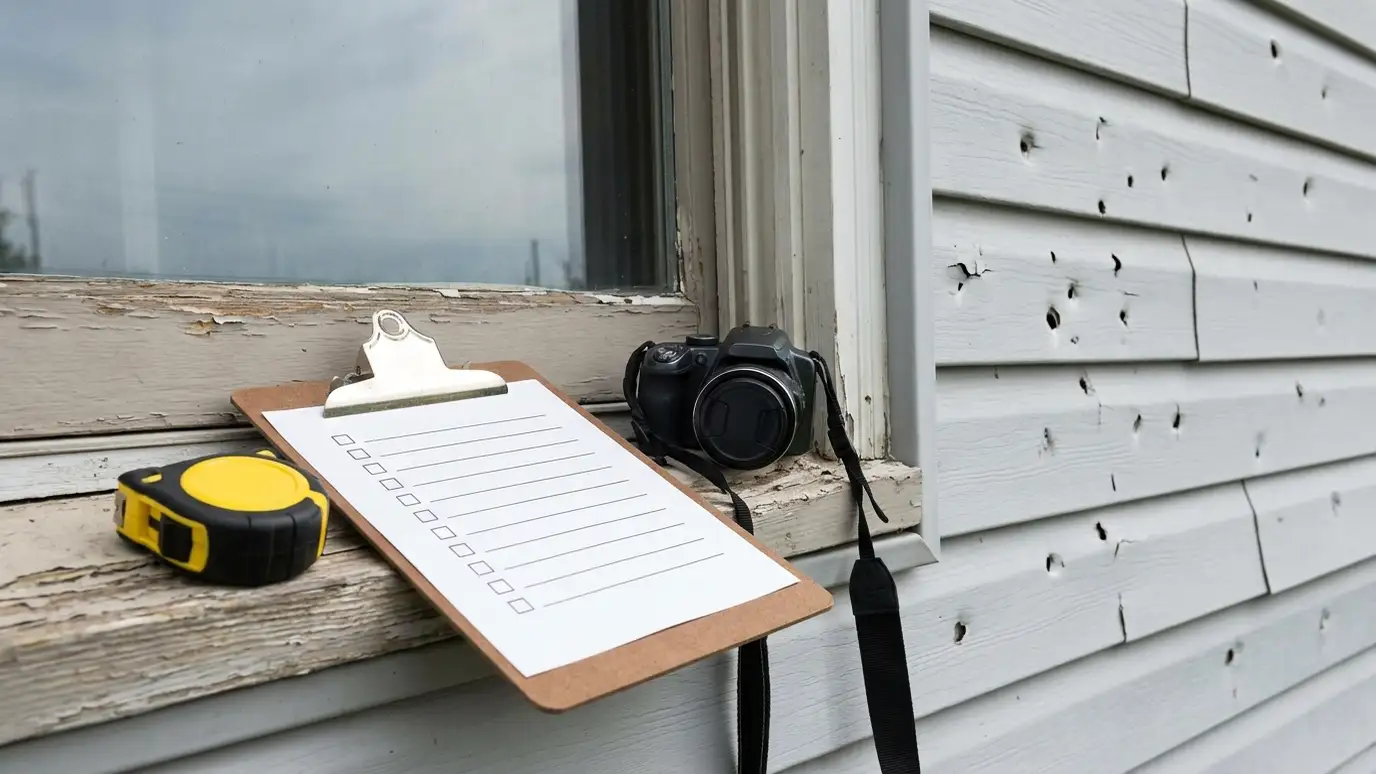
Take clear photos of each wall, close-ups of damage with something for scale and photos of damaged gutters, vents and windows. Write down the date, time and what you saw.
Good records help you and your insurance company understand what happened.
Protect the house
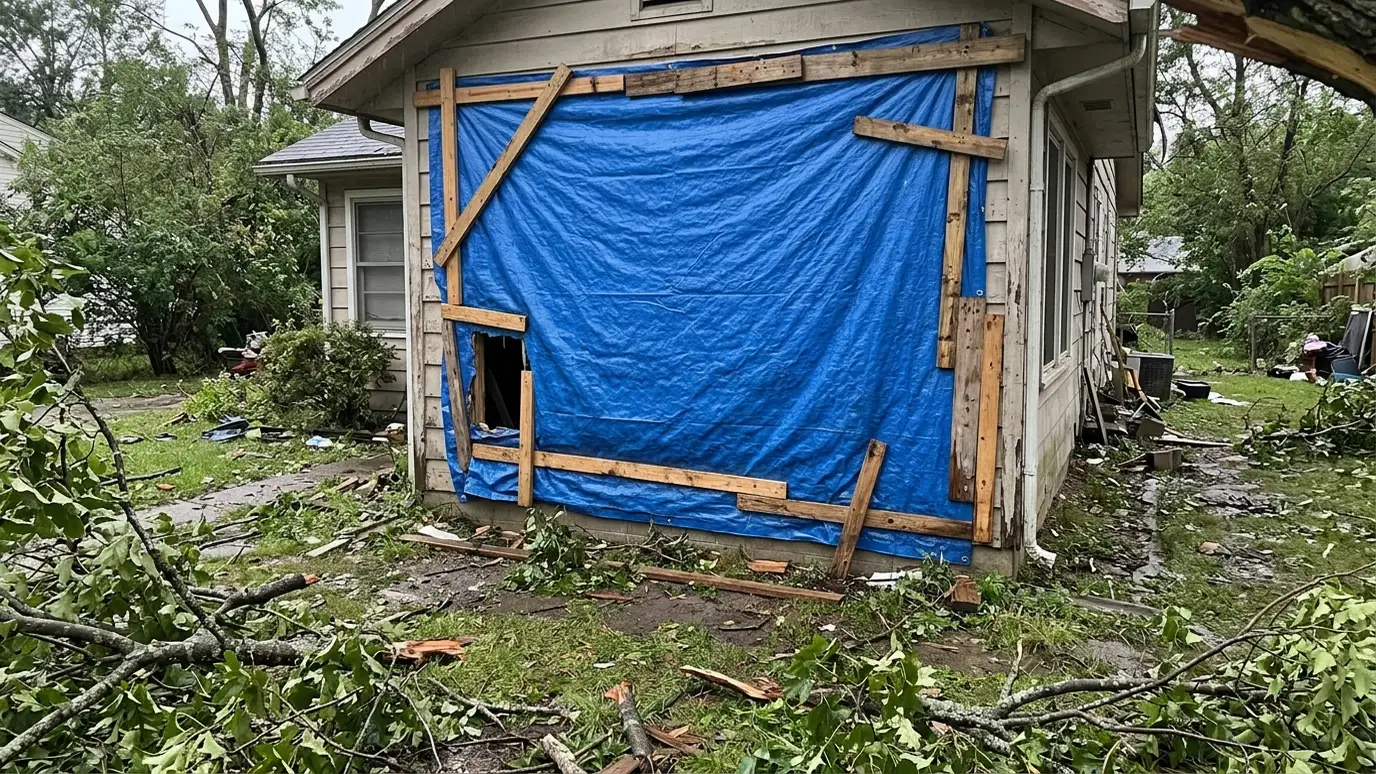
Cover open walls and holes with tarps or boards to keep rain out. Keep receipts for materials and temporary repairs, since many policies cover reasonable costs.
Do not delay. Moisture in a wall begins to cause damage within days.
Insurance and repairs
Review your policy, note any deadlines and call your insurer. A siding contractor can inspect, measure and give a written scope, but the decision on coverage belongs to the insurer.
Choose a contractor you trust, ask for a clear written scope and be careful with anyone who pressures you to sign right away.
Stay safe, take thorough photos, cover open walls and get a written scope before you decide anything.