Why quotes vary so much
Two quotes for the same house can differ widely, and the lower one is not always the better deal. The difference often lies in what is included: how much old siding is removed, whether the walls are wrapped, how openings are flashed, which trim is used and what happens if rotten wood turns up.
Ask every company to list exactly what they will do behind the siding as well as on the surface. The work you cannot see is where most of the cost and most of the value live.
What drives the cost of siding
Siding is usually priced by the square, which is one hundred square feet of wall. The total depends on wall area, the height of the house, the number of corners and openings and how complex the roof lines are. Two-story houses and houses with many gables take more time and equipment.
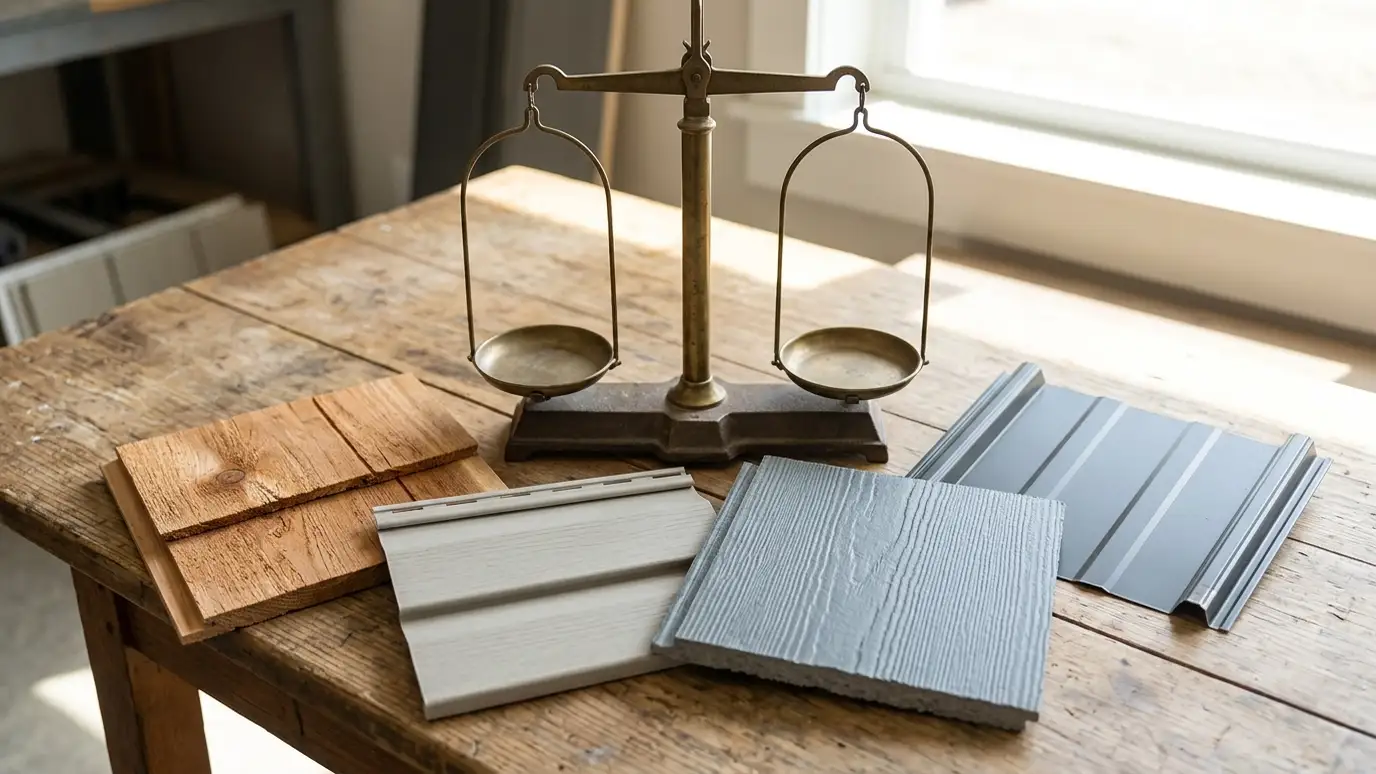
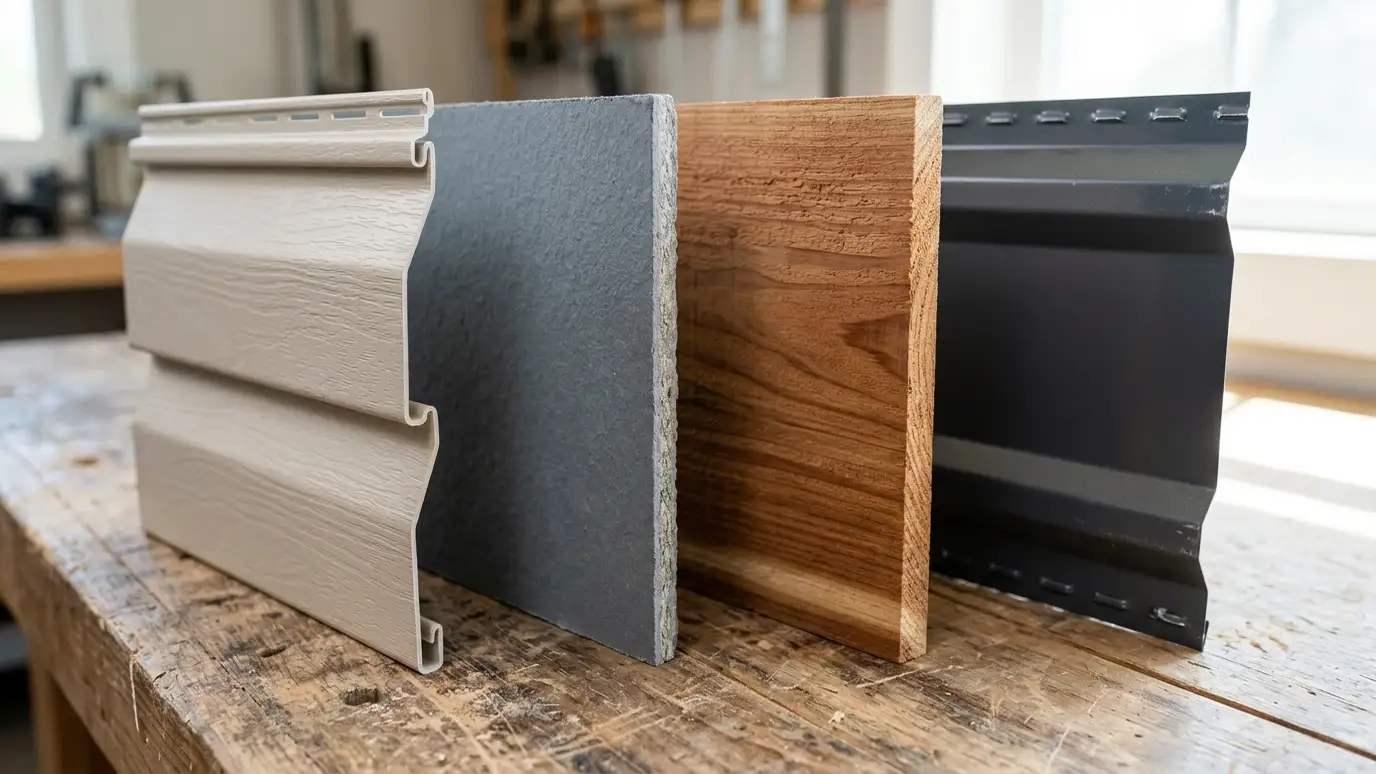
Material is the next big factor. Vinyl is the most economical, engineered wood and metal sit in the middle and fiber cement, cedar and stone veneer cost more. Profile and trim choices change the total as well.
What is behind the siding
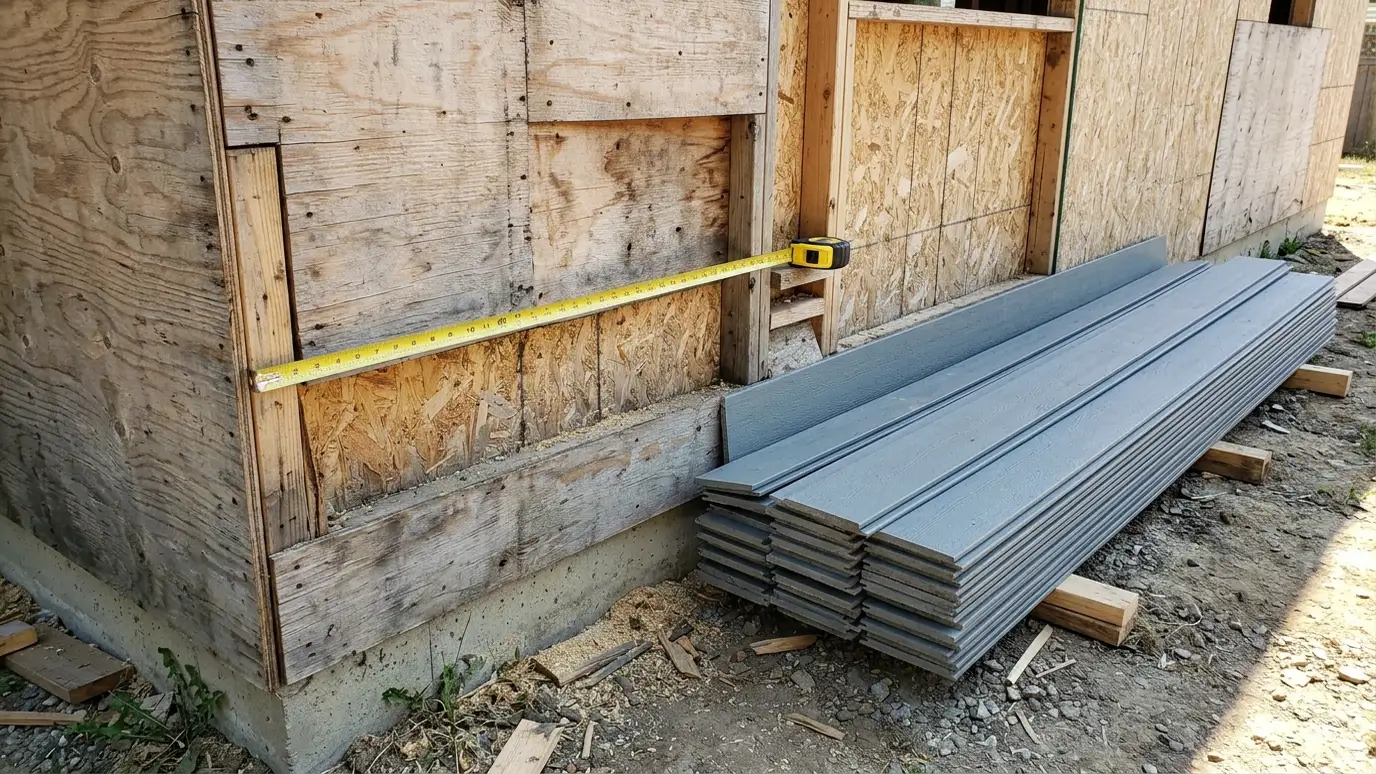
Removal and disposal of old siding, repairs to rotted sheathing, new house wrap, flashing and insulation are separate line items. A clear proposal lists them so you can see which ones apply to your house.
Hidden damage is the biggest unknown. A good contractor explains how they handle surprises and agrees on a price per repair before work starts.
Trim, soffit and gutters
Corner boards, window casings, soffit, fascia and gutters can add significantly to a project. They are also the details that make a house look finished, so skimping on them is rarely worth it.
It is often smarter to do these at the same time as the siding, because the scaffold, the crew and the access are already there.
How to compare proposals
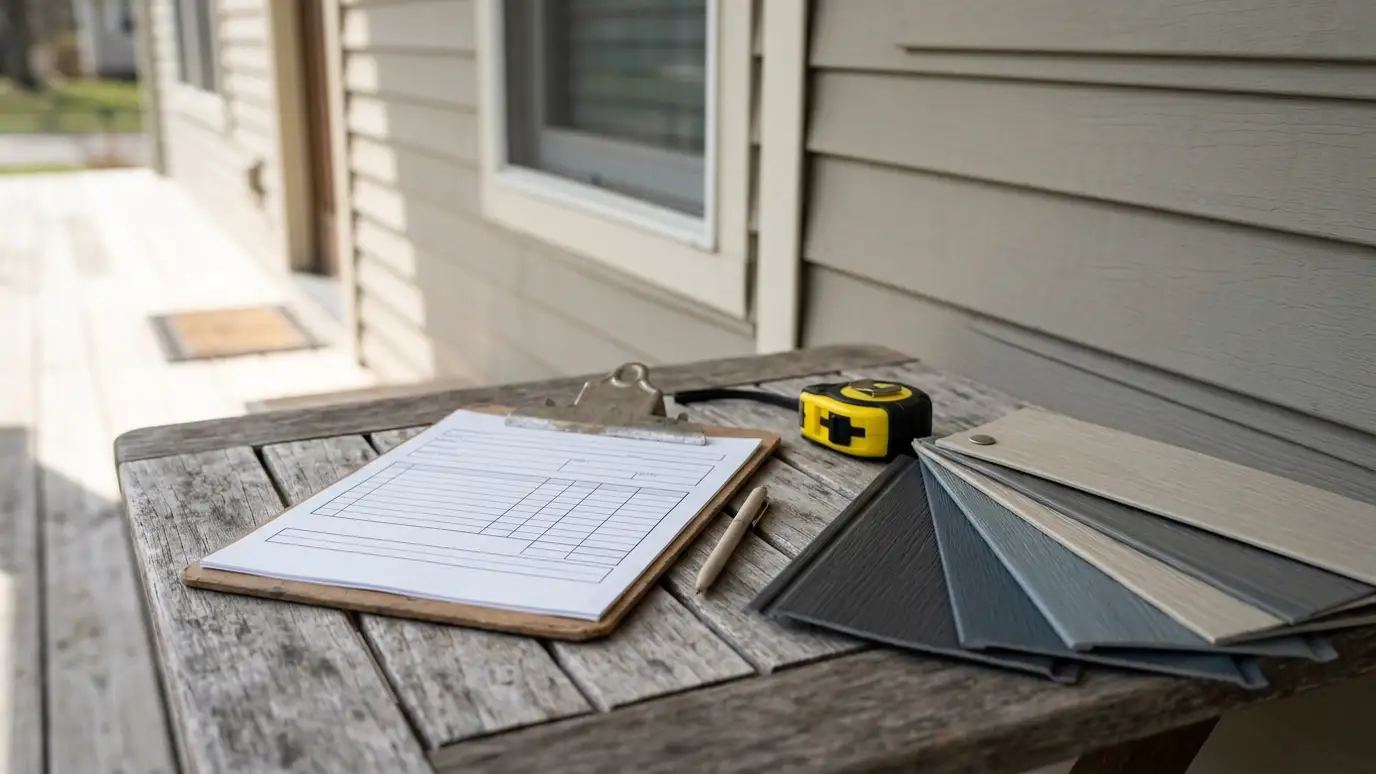
Compare the same things in every quote: wall area, removal, wrap, flashing, material, profile, color, trim, soffit, caulk, cleanup and what happens if rot is found. Be wary of quotes that are vague or far lower than the rest.
Ask who does the work, how long it will take, how they protect landscaping and what the care instructions are. A good company is glad to answer.
Phasing and planning
Large houses can be done in phases, starting with the walls that are damaged or most exposed. Phasing spreads cost, but it should be planned so the house looks complete at every stage.
A free on-site estimate with measurements is the best way to get real numbers instead of rough guesses. Our planning tools give ballpark ranges so you can think before the visit.
Compare what is included and what is behind the surface, not just the total, and judge cost over the life of the siding.