Start with your priorities
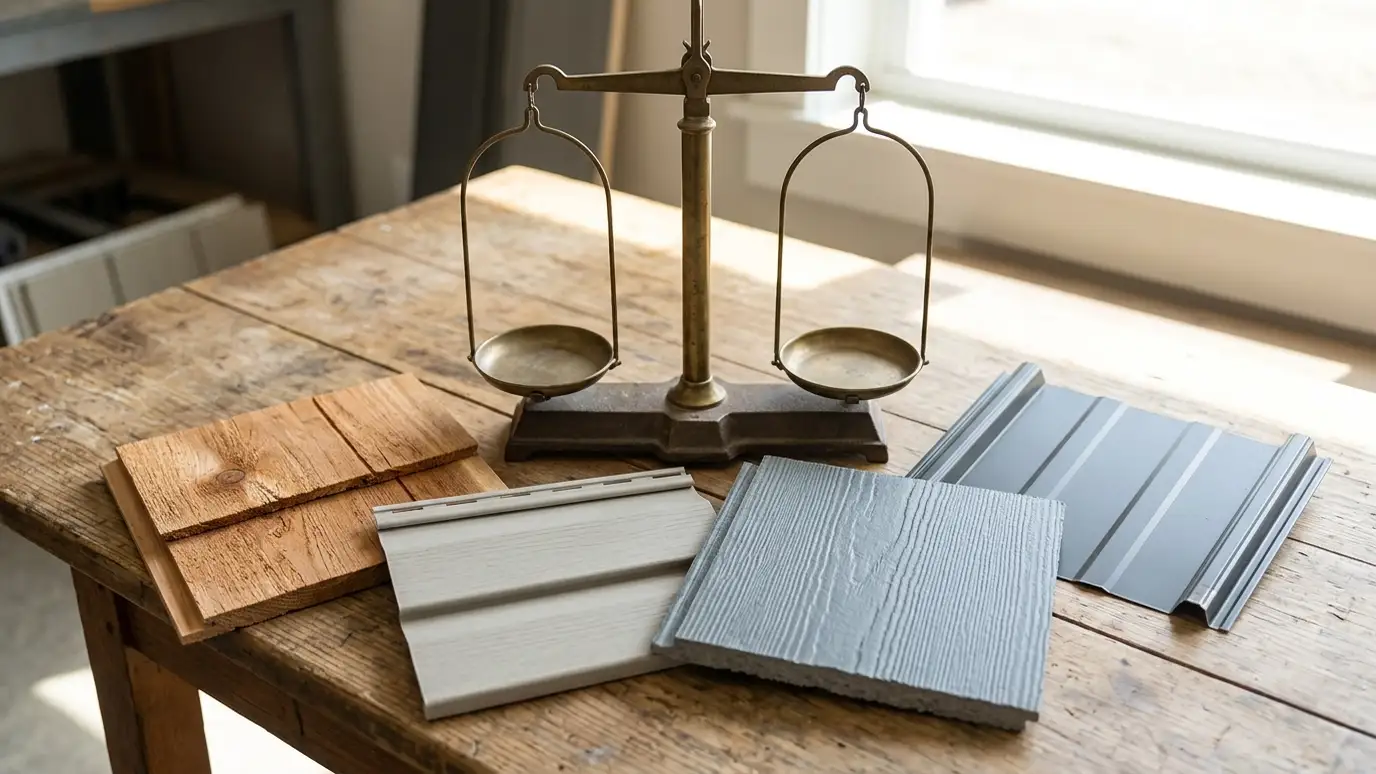
Write down what matters most: low cost, low maintenance, storm resistance, a particular look, resale or energy use. Different materials win on different lists.
Be honest about how much upkeep you want to do. That one question narrows the choices quickly.
Vinyl
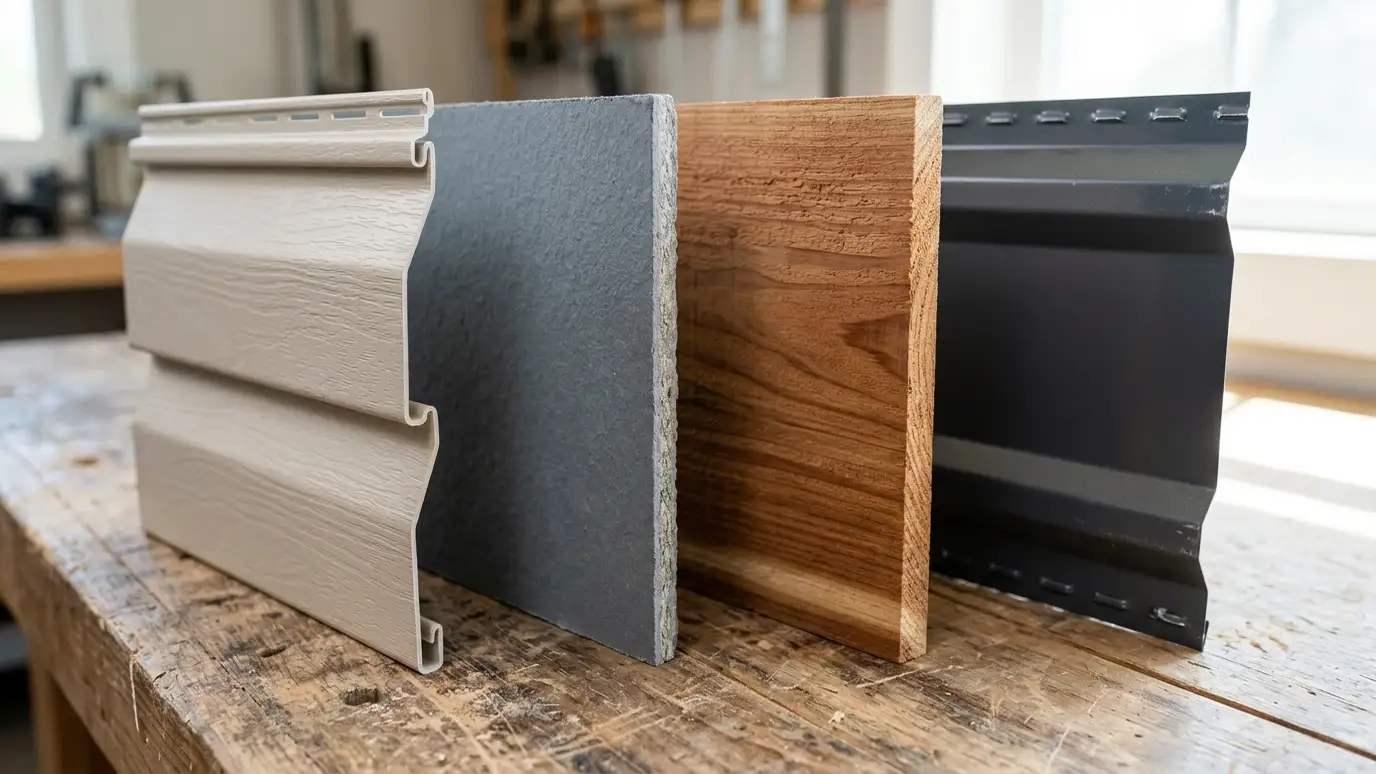
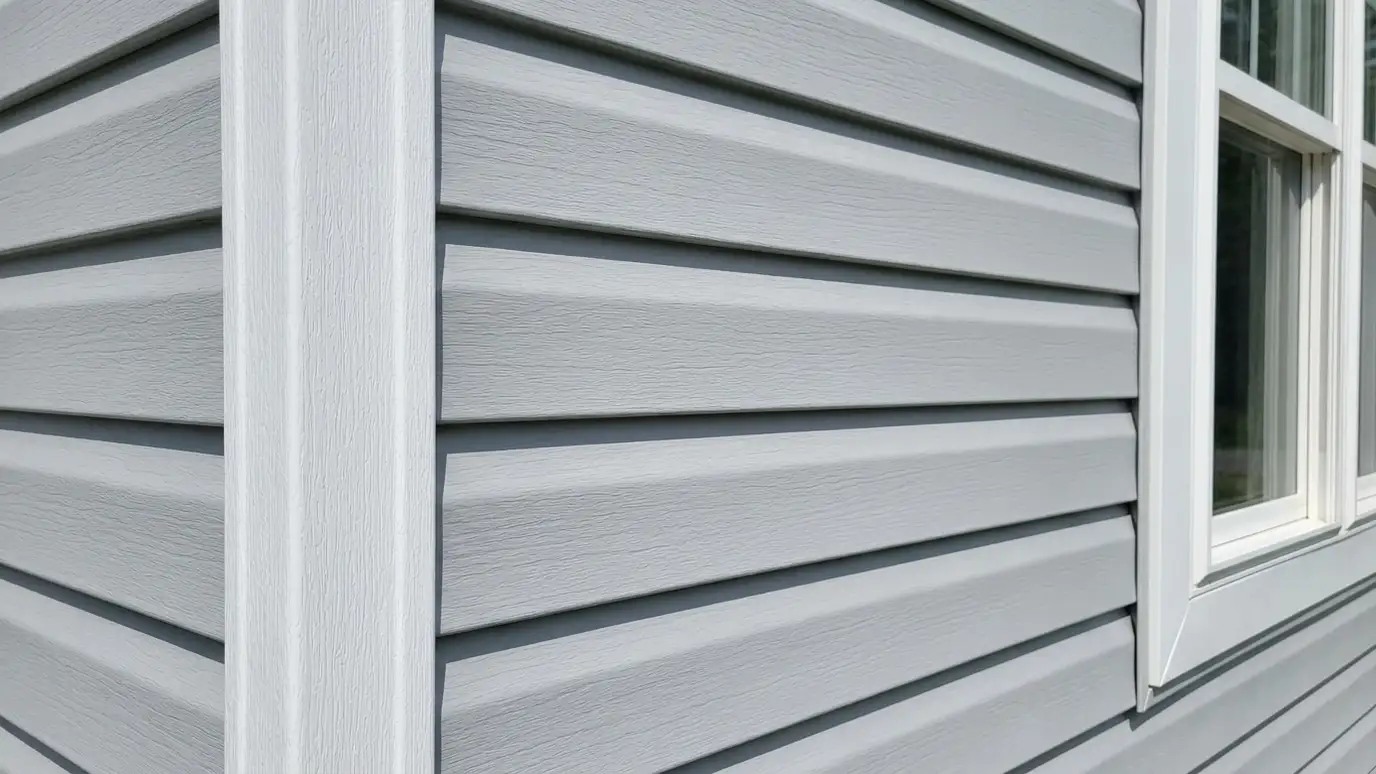
Vinyl is economical, available in many colors and needs only washing. It can crack in hail and fade slowly, and installation quality is crucial.
Thicker and insulated vinyl improve stiffness and impact resistance.
Fiber cement
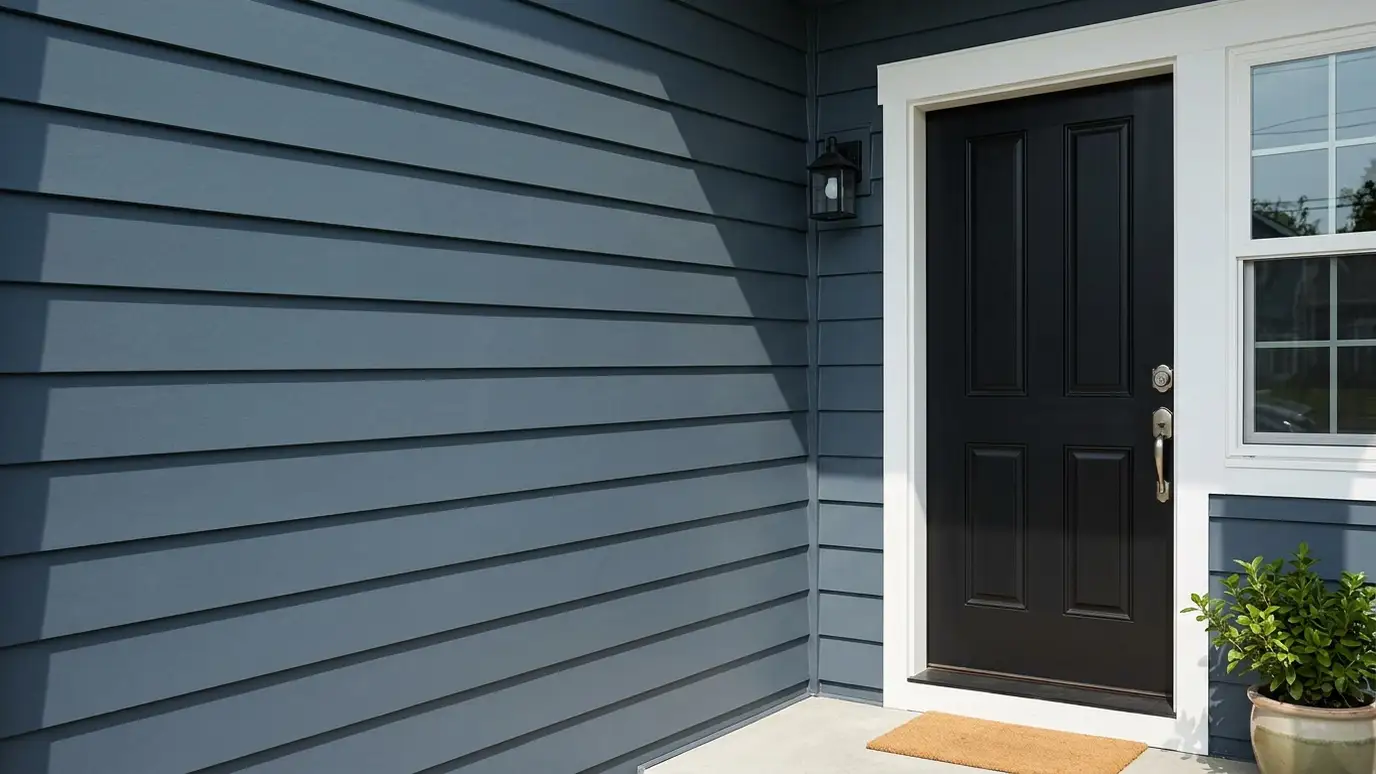
Fiber cement resists hail, fire, pests and rot and holds paint well. It costs more, is heavier and needs caulking and repainting every so often.
It is a favorite for modern farmhouse and upscale new construction.
Wood and engineered wood
Cedar offers beauty and easy repair but demands regular finishing. Engineered wood gives a wood look at a lower cost, but it must be detailed carefully to manage moisture.
Both fit certain design styles well.
Metal and composite
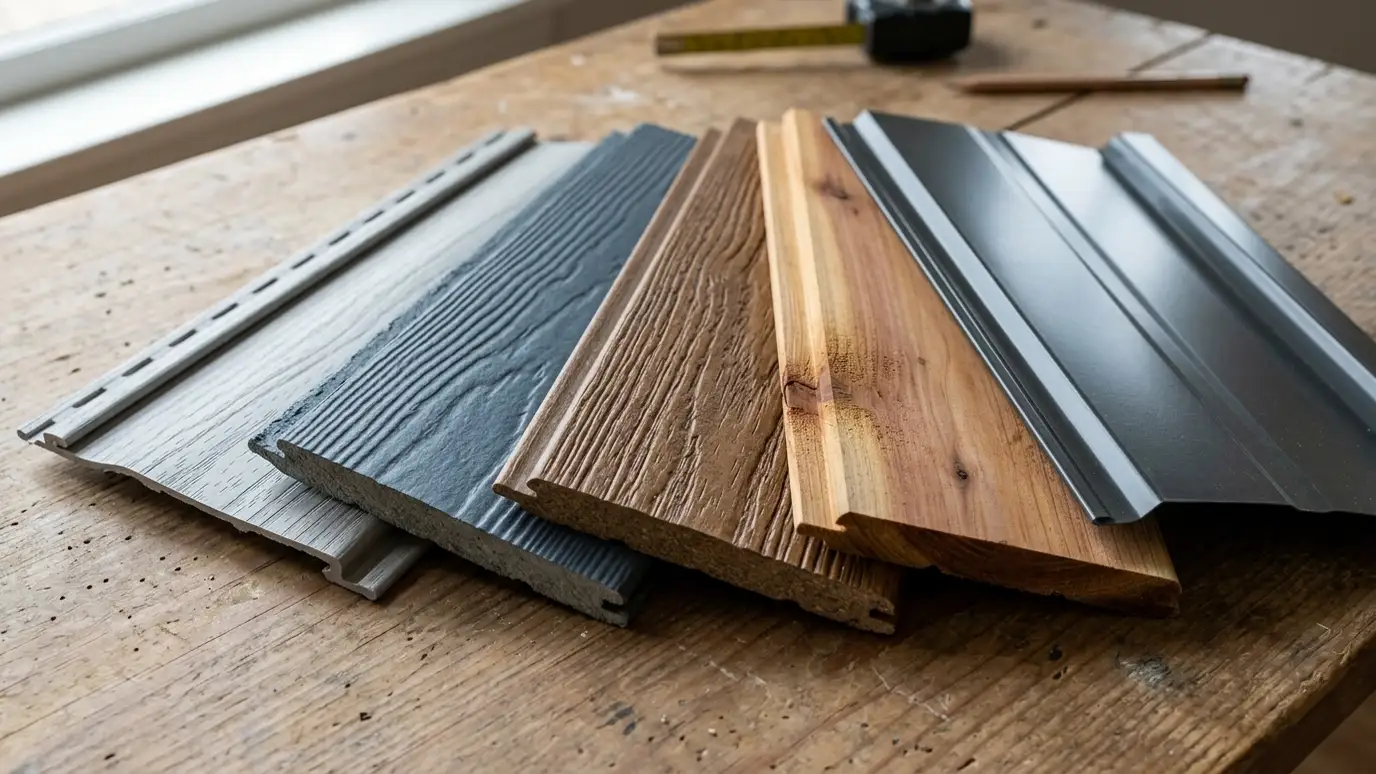
Metal is tough, fire resistant and clean-lined, and it suits barns, shops and modern designs. Composite and polymer panels offer wood and stone looks with low upkeep.
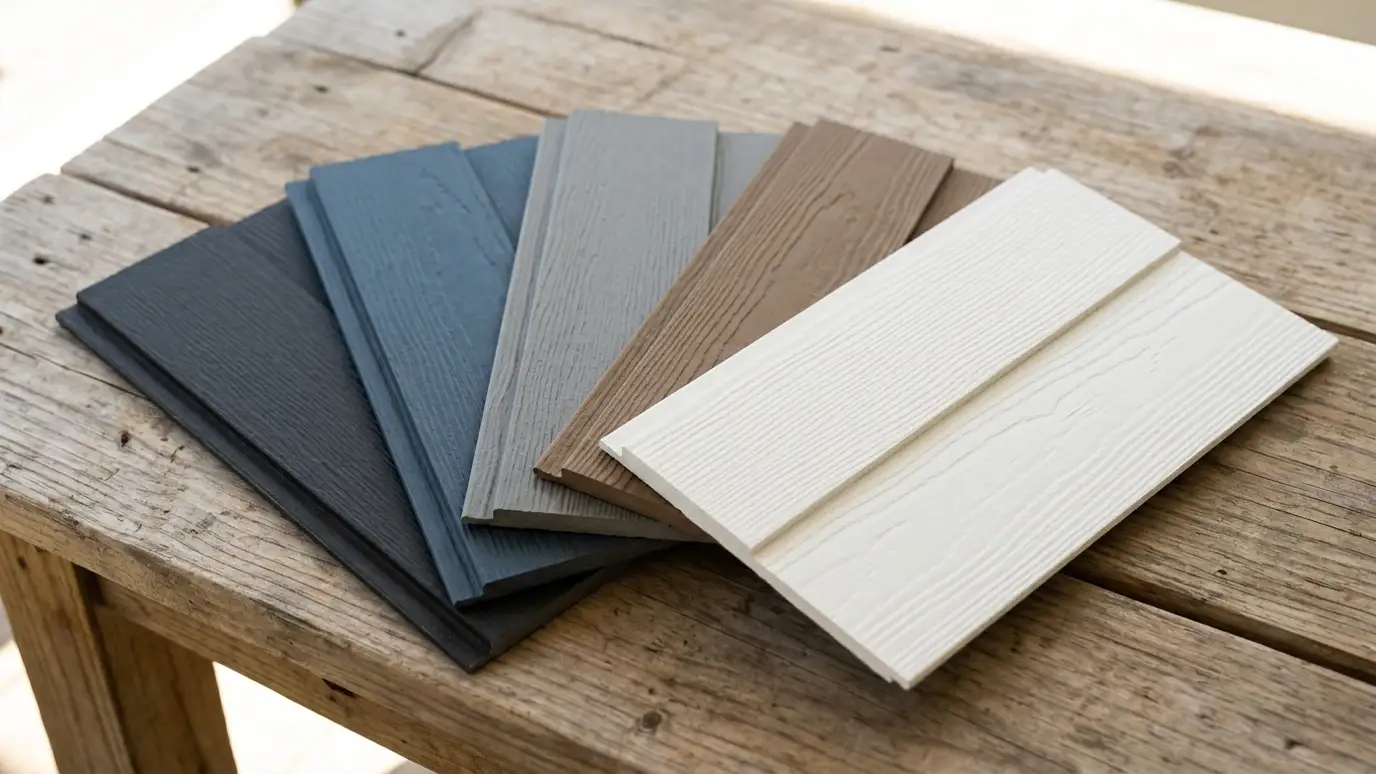
Check samples in person, because finishes vary a lot.
Look at lifetime cost
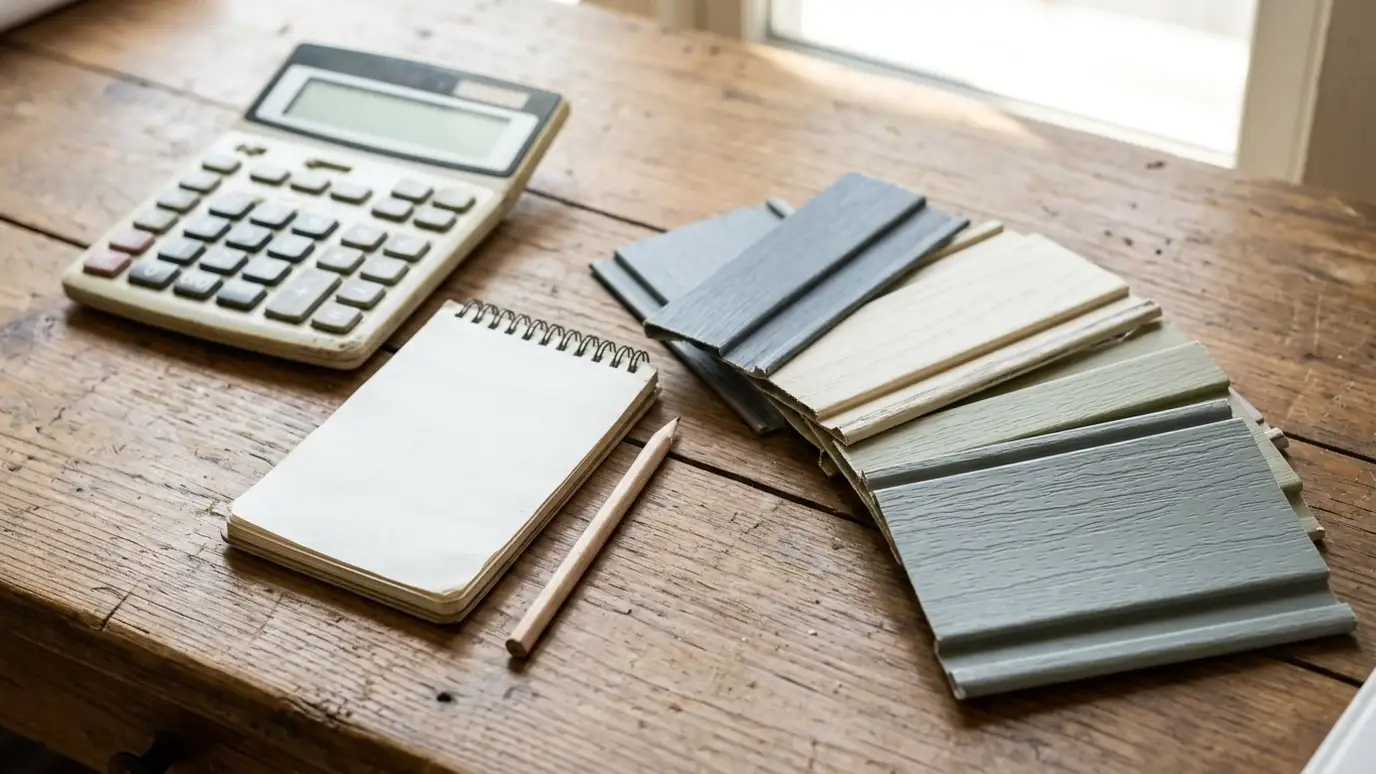
A siding that costs less today may cost more over twenty years if it needs painting, repair or earlier replacement. Our comparison tool shows both over time.
Do not forget trim, wrap and flashing, which matter as much as the siding.
Match the material to your priorities and your climate, then spend on the details behind and around it.