Start with what cannot change
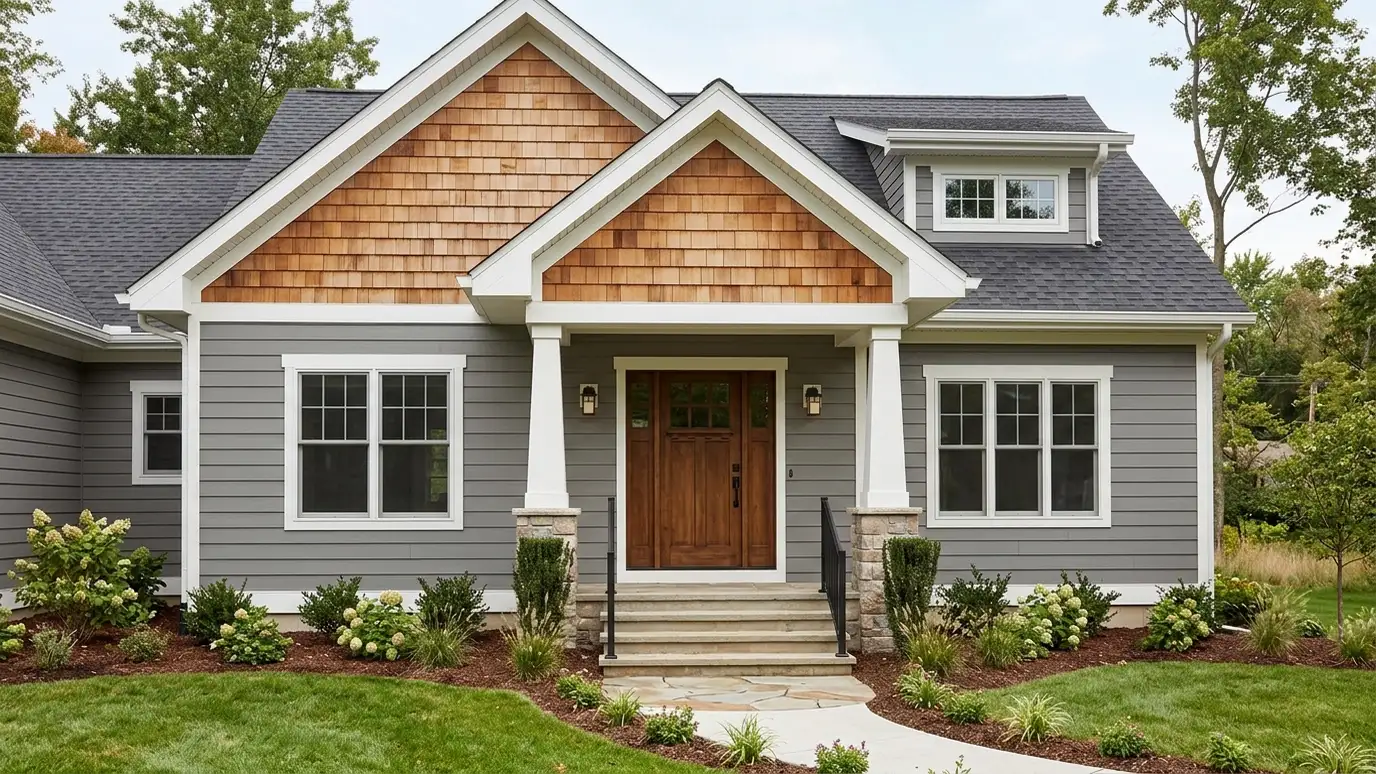
Your roof, brick, stone, driveway and windows are fixed for now. Their undertones, warm or cool, set the direction. A warm brick wants warm neutrals, and a gray roof pairs with cool or neutral colors.
Look at them in daylight and note whether they lean yellow, red, blue or green.
Think in three parts
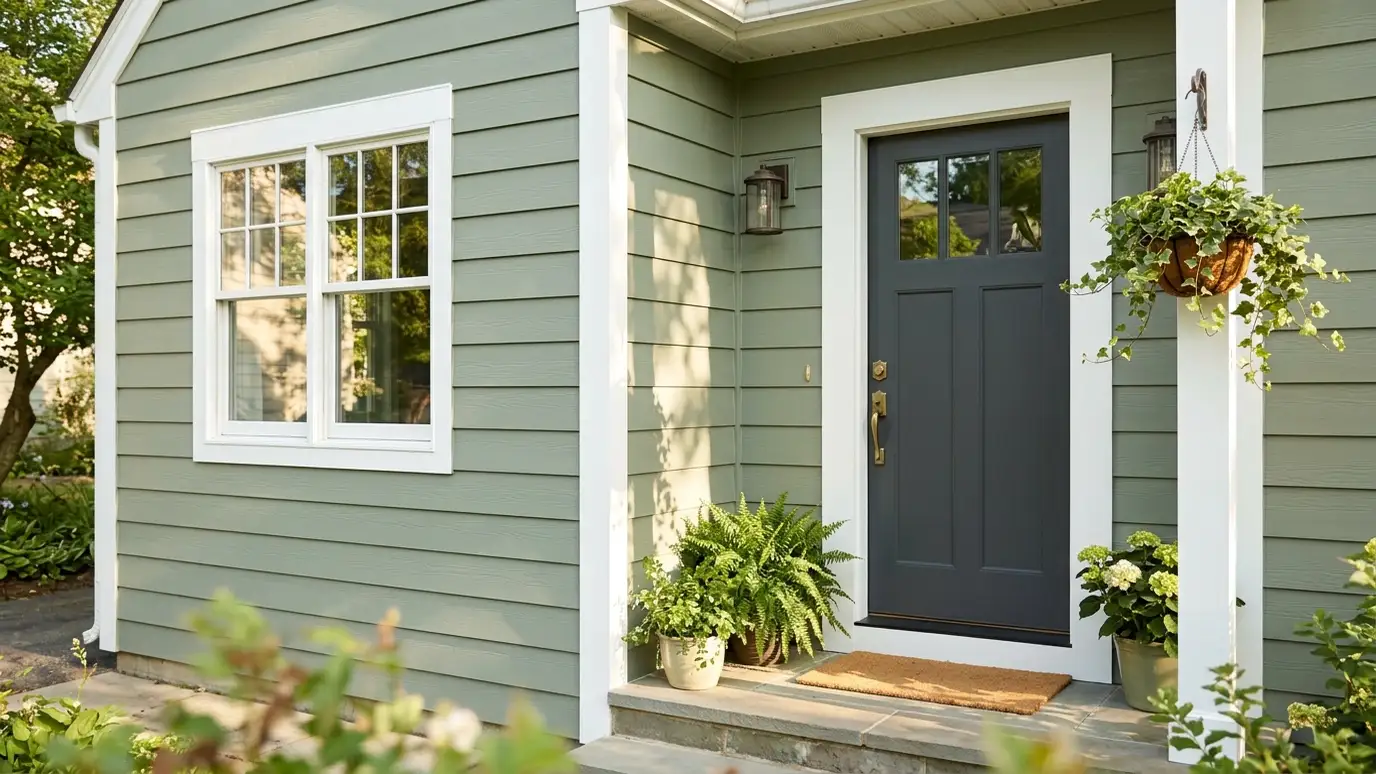
A body color covers most of the wall, a trim color frames openings and corners and an accent colors the door, shutters or one feature. Three colors are plenty.
Contrast in value, light against dark, makes a house look crisp.
Light, dark and in between
Light colors look clean and reflect heat but show algae and stains. Dark colors look dramatic and hide dirt differently, absorb more heat and can fade. Mid-tones are forgiving.
For vinyl, check the maker limits on dark colors, which can warp panels.
Test large samples
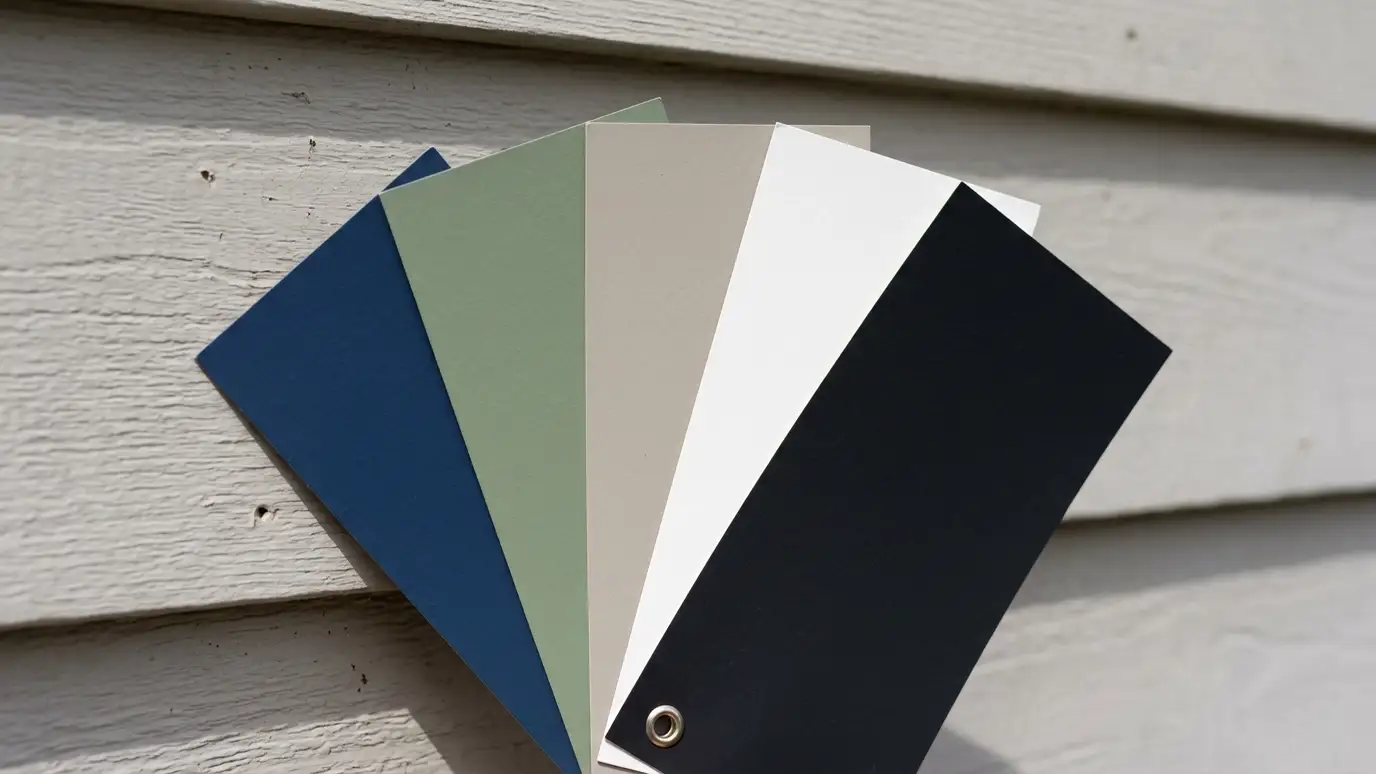
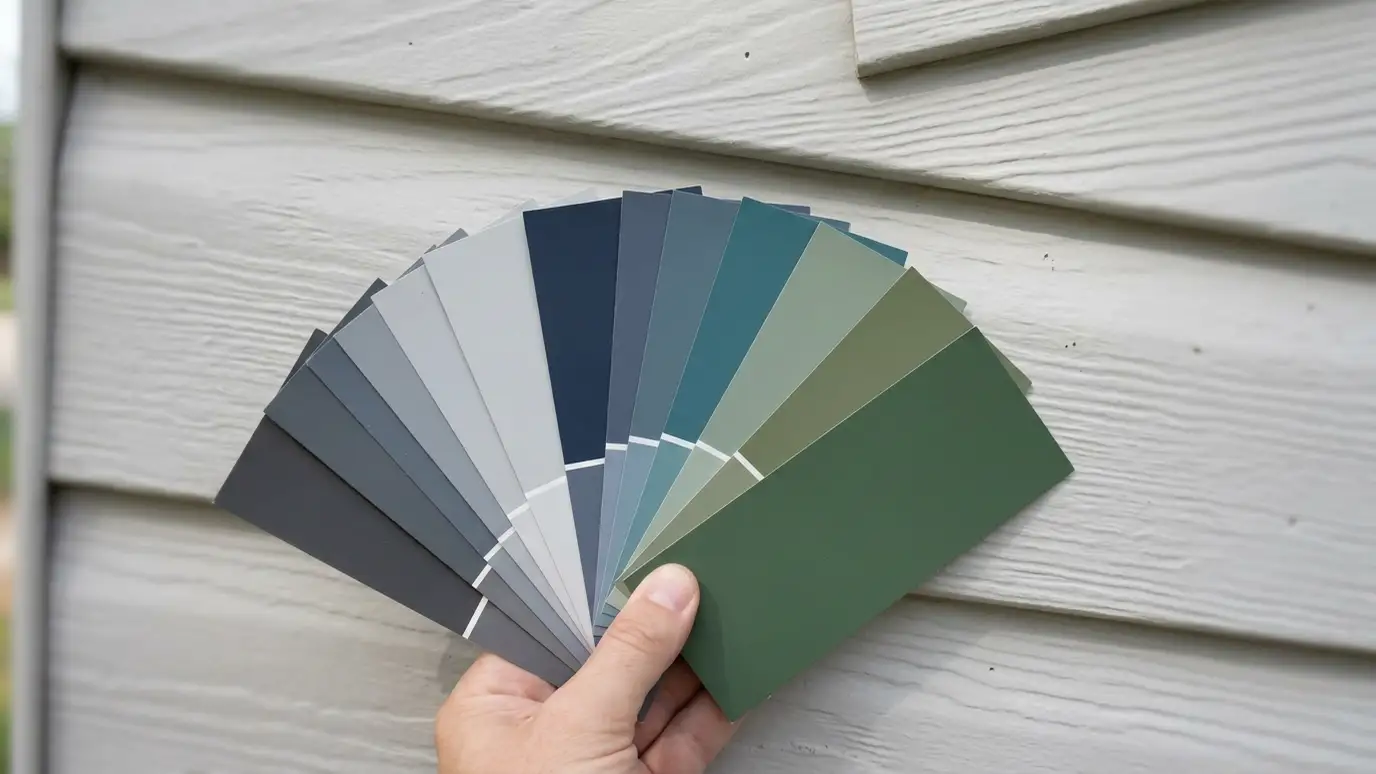
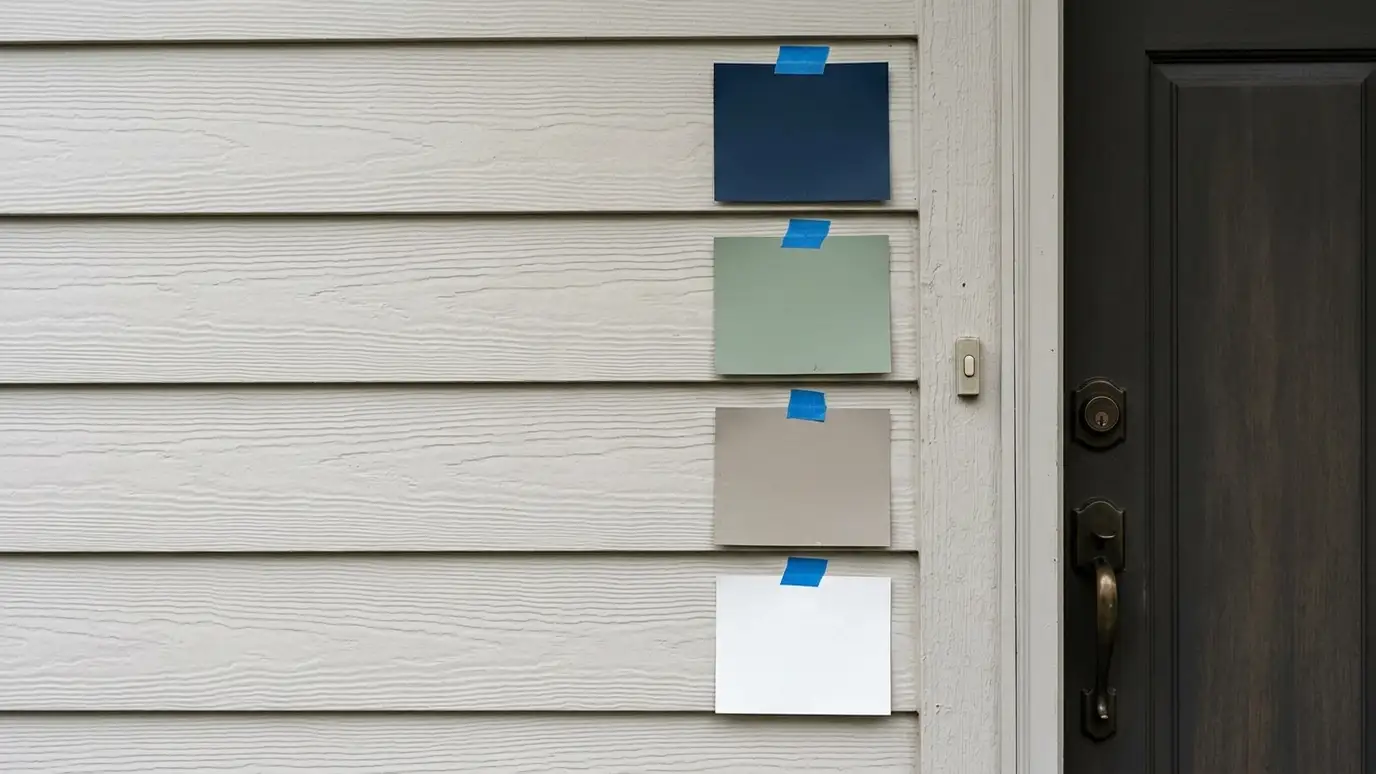
Tape samples at least two feet square on the house and look at them morning, noon and evening, in sun and in shade. Small chips are misleading.
Check them next to the roof and the brick, and from the street.
Look around the neighborhood
Your house should fit its street without copying it. Look at what neighbors have, check HOA guidelines and avoid combinations that clash with nearby homes.
A tasteful difference is better than a loud one.
Plan for the long run
Trends fade faster than siding does. Classic neutrals age gracefully, and bold doors or shutters are easy to change later.
If you plan to sell soon, lean toward broad appeal.
Start with the roof and brick, test big samples in your own light and keep it to three colors.